Signs of Hidden Water Damage
The leaks that cost the most are the ones nobody sees. Tucson Flood Restoration runs through the stains, smells and small clues that point to water inside a Tucson home.
- 24/7 Emergency Response
- Upfront Quotes
- Drying & Repairs
By the Tucson Flood Restoration team · Updated September 2026
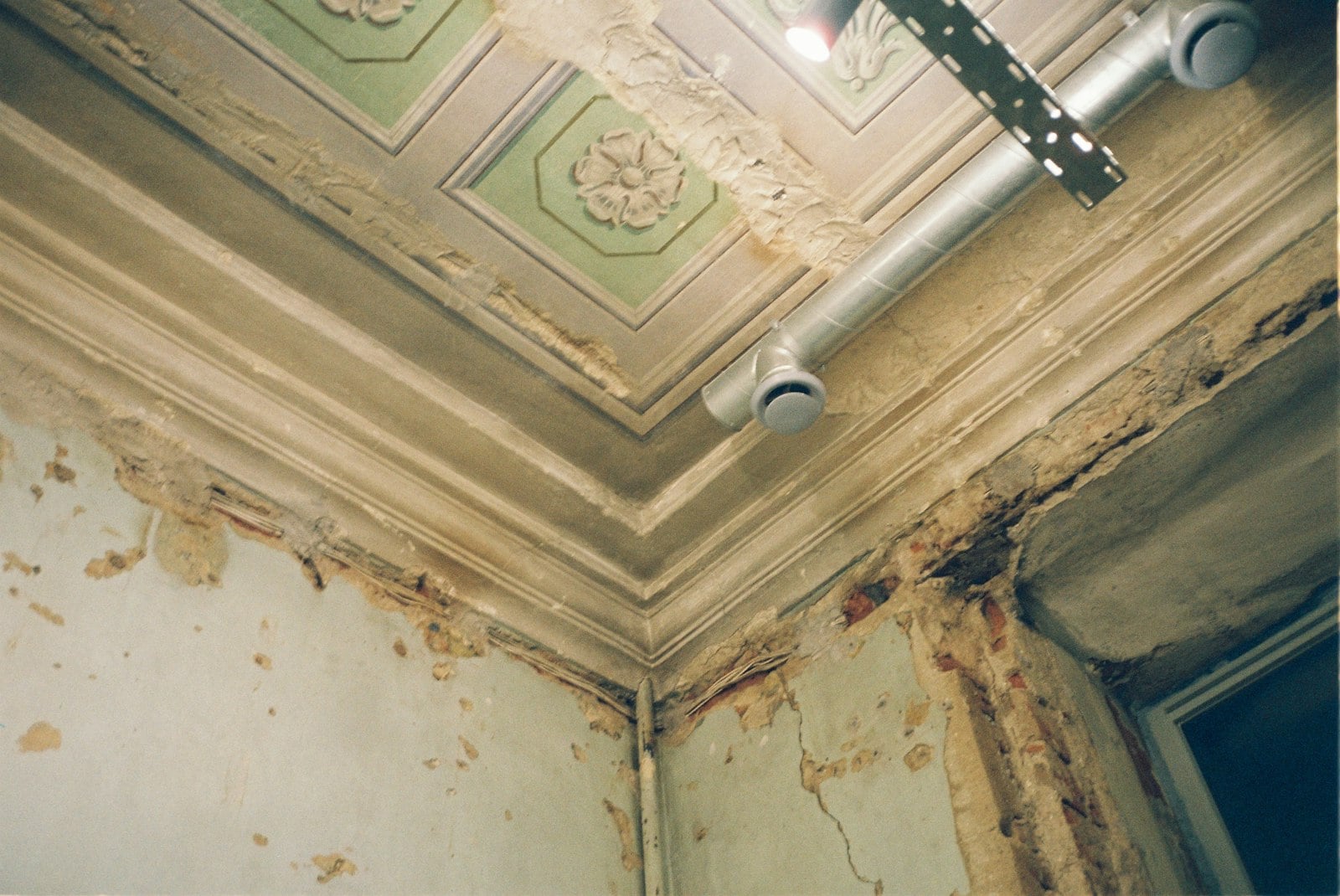
A Stain That Changes Shape
A brown ring on a ceiling or high on a wall is old news by the time you notice it, because drywall has to absorb a good deal of water before the paper stains. What matters is whether it is growing. Photograph it, mark the edge lightly in pencil with the date, and look again after the next storm or the next week of heavy air conditioning use.
Where the stain sits tells you something too. Under a bathroom or a laundry area it points to a fixture or a supply line. In a hallway ceiling in the middle of the house it usually points at the air handler or its condensate line in the attic. Near an exterior wall or a roof valley it points outside.
A Musty Smell With No Visible Source
Smell is often the first honest signal. A room that smells stale or earthy when it has been closed up, and fine again when it has been open, has damp material in it somewhere. Carpet pad is the classic culprit because the carpet surface dries within hours while the pad underneath stays wet for days. Cabinet kicks and the bottom few inches of drywall behave the same way.
A smell that keeps returning after cleaning means the moisture source is still there. Wiping the surface does nothing for what is behind it, which is why remediation always starts with finding the water.
Paint, Trim and Flooring That Moved
Look low. Baseboard that has swelled or pulled slightly away from the wall, paint bubbling in a line a few inches above the floor, tape lifting at a ceiling seam, or laminate planks that have risen at their edges all say the material took on water and gave it back unevenly. Tile that sounds hollow when you tap it can mean the mortar bed underneath stayed wet long enough to let go.
None of this proves there is an active leak today, but it does prove water was there. If you have recently bought the house, that is worth knowing before you put flooring over it.
Bills and Meters That Do Not Add Up
A water bill that climbs without a change in habits is worth taking seriously, especially in a desert city where usage is already watched closely. Turn off every fixture in the house, then look at the meter in its box near the street. If the low-flow indicator is still creeping, water is going somewhere.
Two Tucson specifics catch people out. Drip irrigation and a pool auto-fill both run automatically and can leak for months into a side yard without anyone noticing, soaking the ground against the wall. And in older homes with copper under the slab, a pinhole leak shows up as a warm patch on the floor and a meter that never quite stops.
Where Tucson Homes Hide Water
Almost every home here is slab-on-grade with no basement, so there is no obvious low point to check. Water spreads sideways instead and wicks up into walls. The usual hiding places are the attic air handler and its condensate line, which clogs in the summer heat and overflows a drip pan; the water heater in the garage; a flat or low-slope roof draining through canales and scuppers packed with dust; and supply lines behind kitchen and bathroom cabinets.
Older central and midtown houses add original copper under the slab and aging drain lines. Homes built between the early 1980s and the mid 1990s may have polybutylene supply lines that turn brittle with age. Newer subdivisions such as Rita Ranch repeat the same builder details street after street, so a failure in one house is worth checking for in your own.
What to Do With What You Find
Resist the urge to open the wall yourself. Cutting into drywall at the visible stain usually misses the source, because water travels along framing and lands somewhere other than where it started. A moisture meter costs nothing to use and tells you where the wet actually is.
If you do find a live leak, shut the water off at the main and leave it off until it is looked at. If the material has been wet for a while, expect the conversation to be about removal rather than drying — the restore versus replace guide explains how that is decided.
Arrange an Inspection
Suspecting hidden water is a good enough reason to have the building read. Tucson Flood Restoration measures the materials, traces the source and tells you plainly whether there is a problem, including when the answer is that there is not. See what each service covers, read about drying, or describe what you are seeing and we will go from there.