Emergency Water Extraction
Standing water keeps soaking into flooring and base cabinets for as long as it sits.
Water ExtractionTucson Flood Restoration works throughout midtown Tucson, where most of the houses went up between the 1940s and the 1970s. Flat and low-slope roofs, evaporative coolers and original supply piping are behind a large share of the calls in these neighborhoods.
Standing water keeps soaking into flooring and base cabinets for as long as it sits.
Water Extraction
A washer hose, a dishwasher seal or a tank failure soaks a cabinet run before anyone notices.
Appliance Leak Cleanup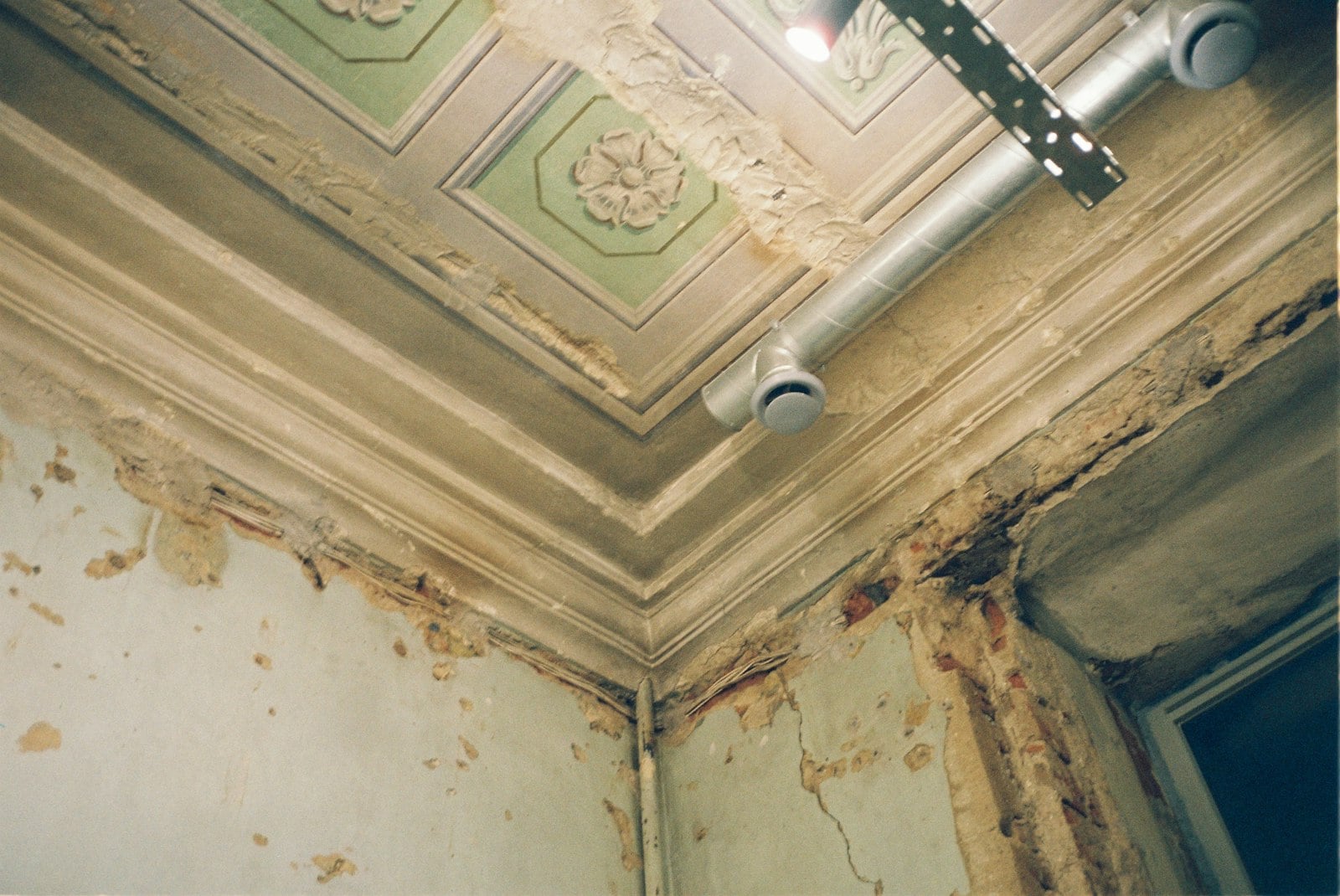
Wet drywall, carpet pad and cabinet bases can start growing mold within a couple of days.
Mold RemediationMidtown housing stock is old enough to have its own patterns. Supply piping that has never been replaced develops pinholes; drain lines under mature trees crack and back up; and the flat and low-slope roofs on ranch and territorial-style homes drain through parapets and canales that fill with dust between storms. Evaporative coolers add a supply line that runs up to the roof or along an exterior wall, and a fitting that lets go up there sends water down the inside of the wall rather than onto the ground where you would see it.
Lot sizes are smaller than on the edges of town, houses sit close to the street and to each other, and a lot of midtown property is rented, split into duplexes or run by a manager. Say who approves work and who can open the door, and mention alley access, a carport or a casita, because those often decide where the equipment goes.
Tell us who signs off on the scope so the crew is not waiting on a decision with the water still moving.
Anything you know helps: a re-pipe, a recent roof coating, a cooler that was converted to refrigerated air.
Even a rough list on the phone decides how much drying equipment and how many crew members are sent.
In an older house the question is usually plaster and original materials rather than new drywall, and readings still decide it. Start with the restore versus replace guide, then structural drying for what happens when material can be saved.
Homes up the hill in the Catalina Foothills are covered too, along with everywhere else on our service areas page.
It is set by how much of the house got wet, what kind of water it was and how much material has to come out, so it is quoted after a walk-through rather than on the phone. Tucson Flood Restoration separates extraction, drying and removal on the quote. Describe what you are seeing and you will get a useful first answer.
Tucson Flood Restoration covers the central neighborhoods along with the rest of the city. Give the full address and say whether it is a house, a duplex or a rental, since that decides who has to approve the work. The service areas page lists the outlying communities we reach as well.
Usually. The phone is answered around the clock and active leaks are taken first. Midtown is central, so travel time is rarely the issue; on a busy monsoon night the limit is crew availability, and you will be told honestly where you stand.
Treat it as one. Water tracks along framing and can reach fixtures, fans and wiring, and midtown houses often have older circuits. Leave lights and fans in the wet area switched off, keep out from under a sagging ceiling, and if water is running near a panel or an outlet, call and stay clear rather than investigating.
Not always. Plaster over lath holds moisture longer than drywall but often dries in place if the water was clean and drying starts quickly; the lath and the cavity behind it are what have to be checked. If it has crumbled or the water was contaminated, that section comes out. The readings decide, and you see them before the scope is set.
Because a cooler needs a small water line running to a unit on the roof or an exterior wall, and it sits in direct sun for decades. A split fitting or an overflowing pan drains onto the roof deck or straight down inside a wall, so the first sign is a stain on a ceiling or a wet baseboard, not a puddle outside. It is worth checking the line and the pan at the start of each season.
Tell us what got wet, where it started and whether the water has stopped, and the right crew and equipment can be sent.