Equipment placed for the building
Air movers are aimed along wet surfaces rather than pointed at a puddle, and dehumidifier capacity is matched to the wet volume. Too little equipment drags the job out; too much just costs more.
Pulling the standing water out is the easy half. Tucson Flood Restoration sets air movers and dehumidifiers to take the water back out of drywall, framing, cabinets and flooring in Tucson homes, and keeps taking readings until the numbers say it is done.
Materials give water up slowly. Drywall, wood framing and the mortar bed under tile hold moisture for days after the floor looks dry, and that held water is what feeds odor and mold. Tucson's dry outdoor air is a genuine advantage here for most of the year, but during monsoon weeks the indoor humidity climbs and the dehumidifiers do more of the work.
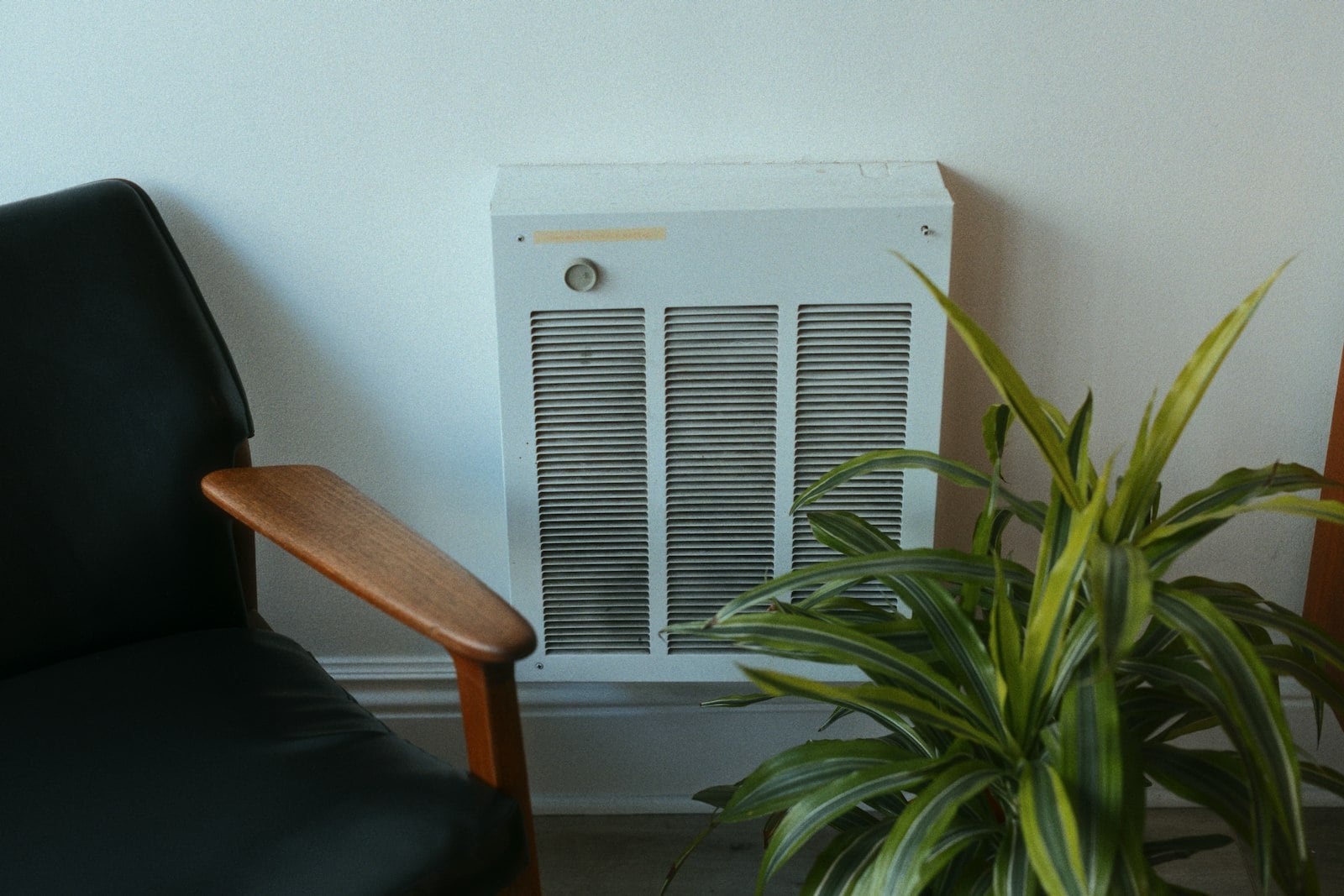
Air movers are aimed along wet surfaces rather than pointed at a puddle, and dehumidifier capacity is matched to the wet volume. Too little equipment drags the job out; too much just costs more.
Base trim may come off and small holes may go in behind it so air reaches wall cavities and cabinet kicks. That is planned and explained first, not improvised at the wall.
The same points are measured each visit and compared with a dry reference elsewhere in the building. Equipment comes out when the readings say so, not on a fixed schedule.
Drying follows water extraction and decides most of what happens next. If the readings will not come down in a particular material, the restore versus replace comparison explains why it comes out instead. Where drying started late and there is already growth, the job moves into mold remediation.
Drying in an occupied home is noisy and warm, and it is normal to want it over quickly. Read how drying equipment works so the plan makes sense, and tell us about the property when you are ready to schedule.
It depends on what got wet and how much of it. A small clean-water spill in one room is a short job; soaked wall cavities and cabinet kicks take longer. Tucson Flood Restoration will not put a number on it before reading your building, and will tell you each day what the readings are doing.
Yes, for the job to work. Switching air movers off overnight lets moisture redistribute and adds days. If the noise is unbearable in a bedroom, say so and the layout can usually be adjusted rather than the equipment shut down.
Drying quickly is the single best thing you can do about mold, because growth needs wet material to live on. It is not a guarantee, especially if the water sat for days before anyone found it. See what remediation involves if there is already growth.
Household fans move room air but do not remove moisture from the building, and in monsoon weather an open window can add humidity rather than take it away. Dehumidification is what actually pulls the water out, which is why Tucson Flood Restoration pairs the two.
Tell us what got wet, where it started and whether the water has stopped, and the right crew and equipment can be sent.