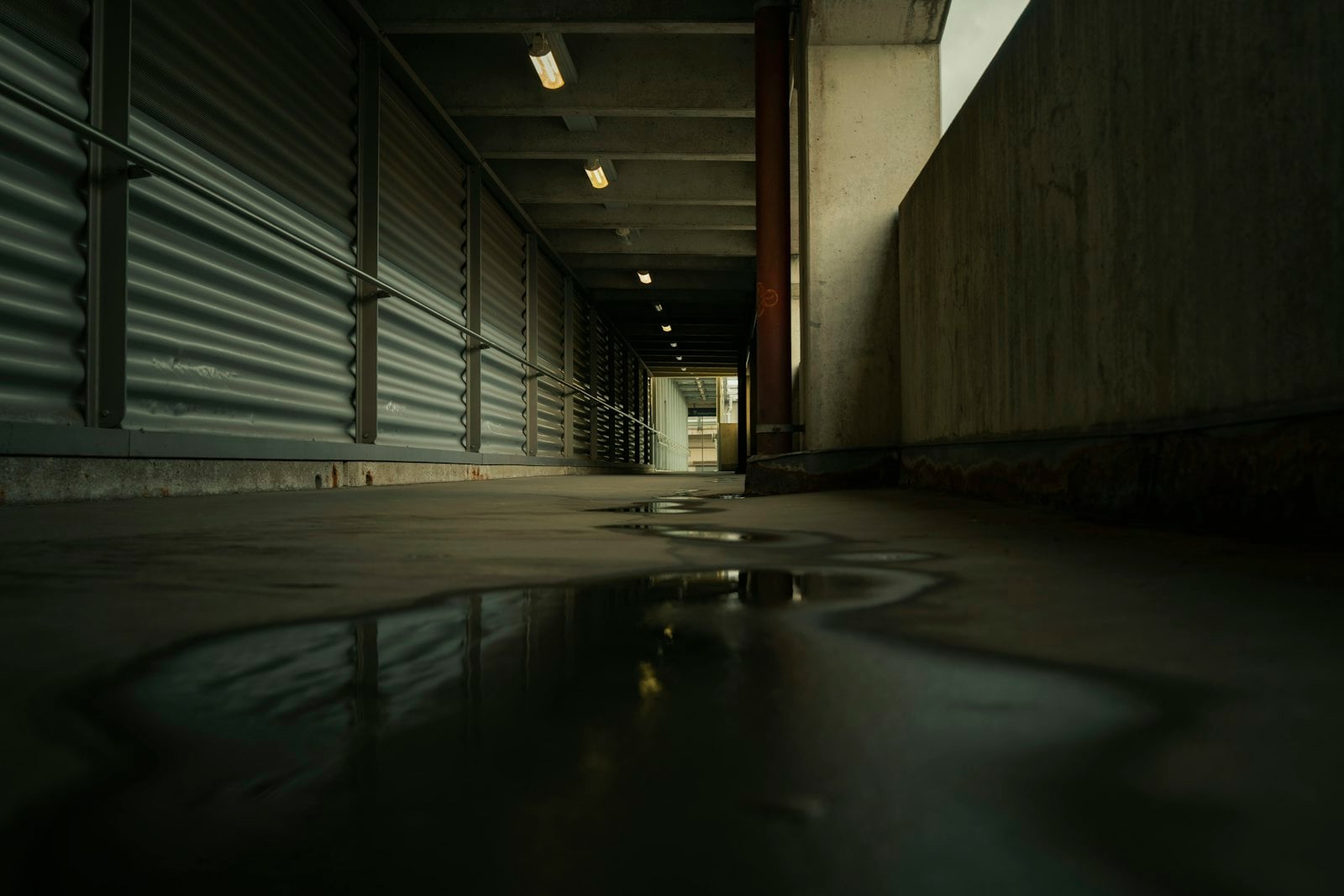
Emergency Water Extraction
Standing water keeps soaking into flooring and base cabinets for as long as it sits.
Water ExtractionWater spreads sideways in a slab-built desert home, and the wet you can see is rarely all of it. Tucson Flood Restoration connects you with independent water damage restoration providers. Availability varies by provider.
Standing water keeps soaking into flooring and base cabinets for as long as it sits.
Water Extraction
Air movers and dehumidifiers pull water back out of drywall, framing and flooring.
Structural Drying
A split supply line or a failed water heater can soak half a house before anyone sees it.
Burst Pipe Cleanup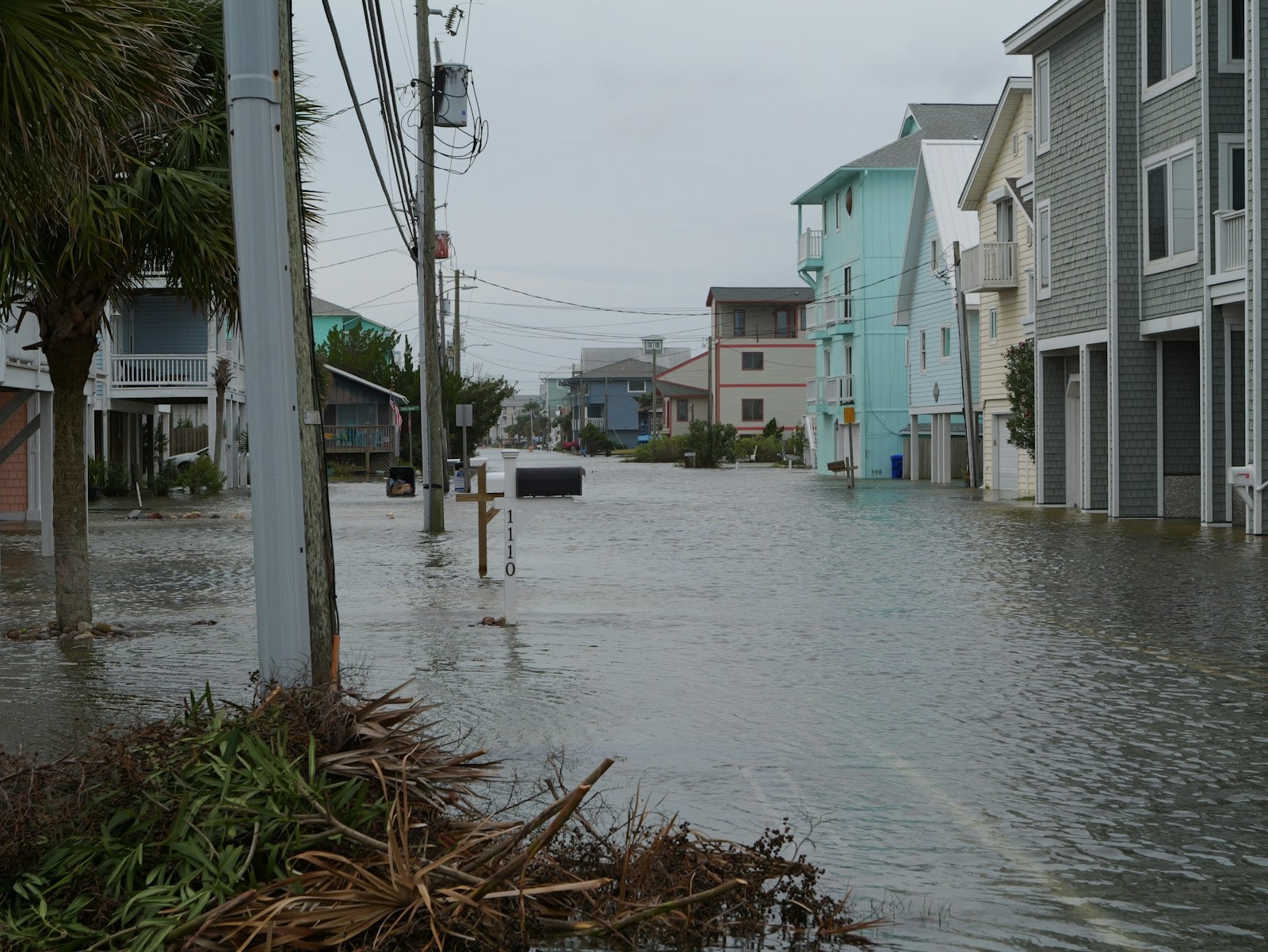
Monsoon rain arrives faster than the ground can take it and finds its way inside.
Storm & Flood Cleanup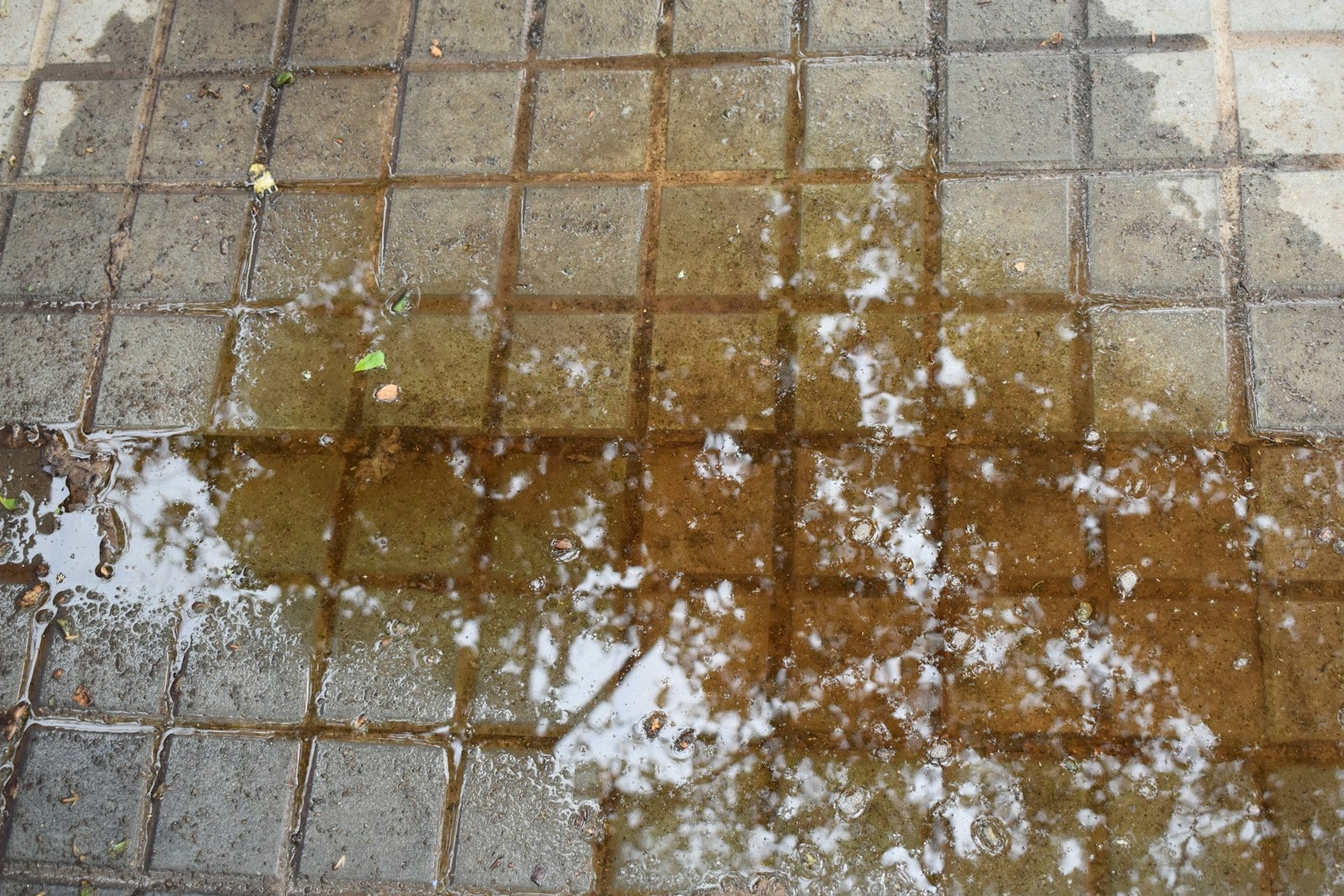
Anything that comes back up a drain line is a health risk, not only a mess.
Sewage Cleanup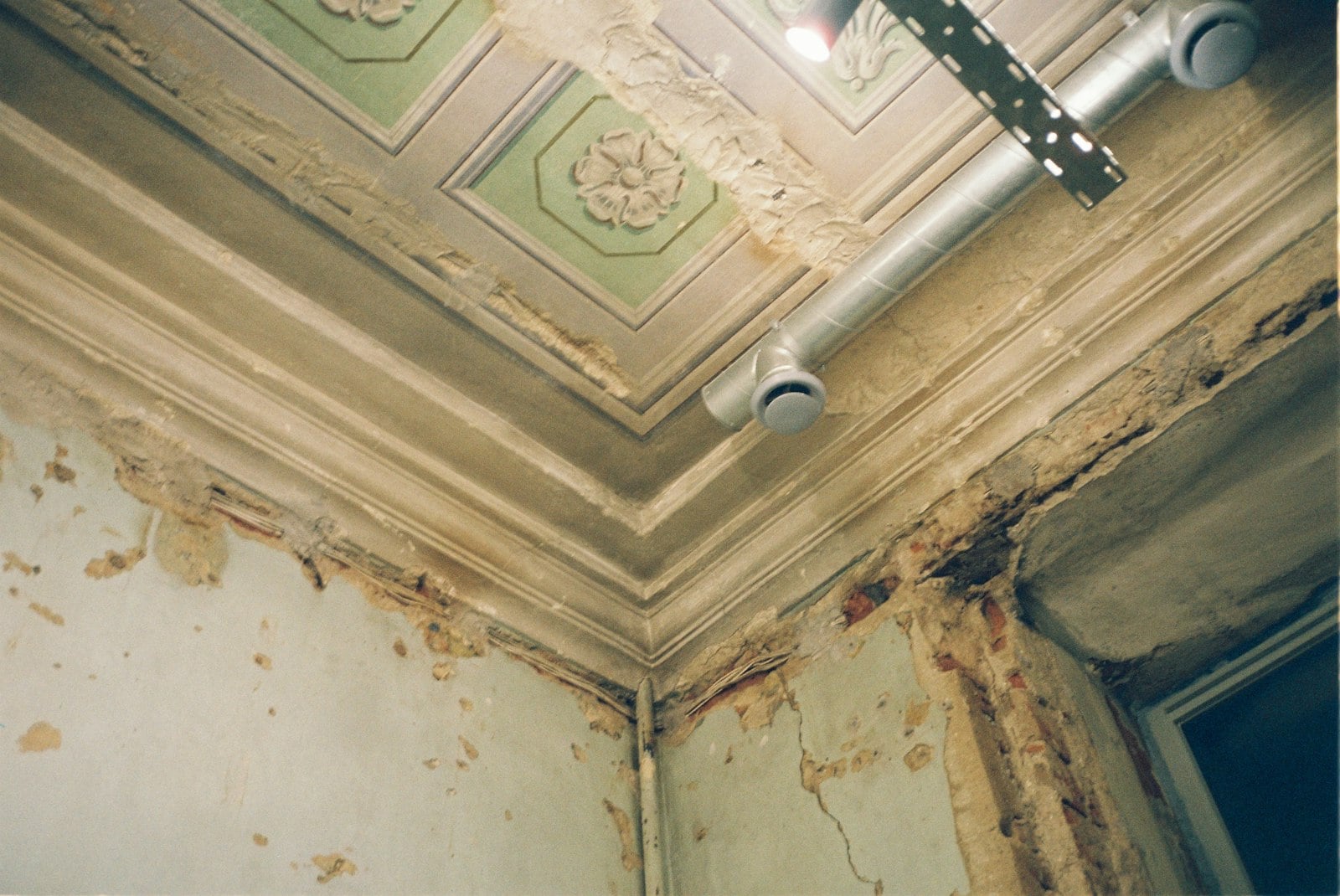
Wet drywall, carpet pad and cabinet bases can start growing mold within a couple of days.
Mold Remediation
Offices, clinics, restaurants and rental units need the water out and the doors open again.
Commercial Restoration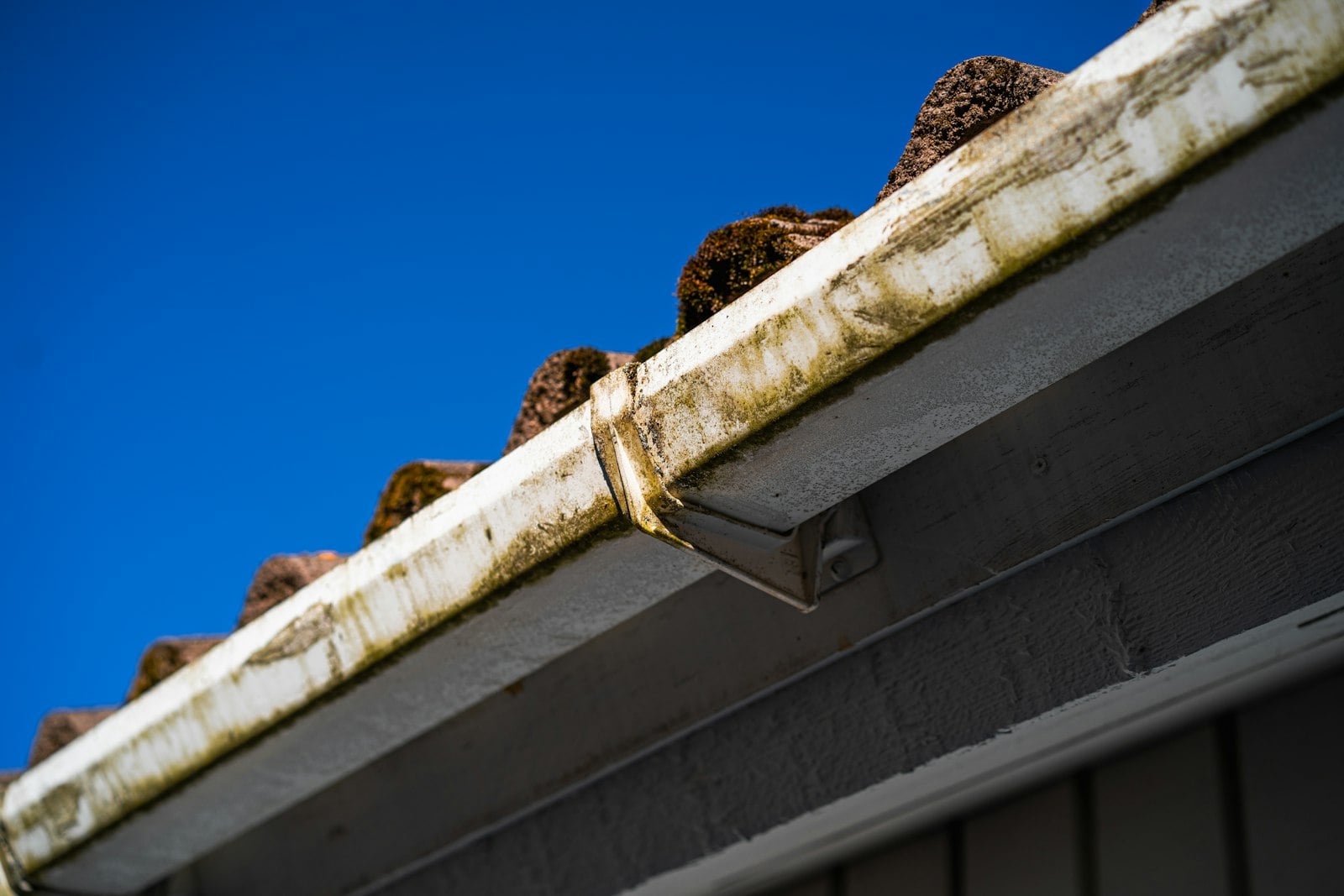
Wind-driven rain gets under tile and a dust-packed flat roof drain sends it inside.
Roof Leak Cleanup
A dishwasher, a washer hose or a failed tank can run for hours behind a cabinet.
Appliance Leak CleanupWater runs under baseboards, into wall cavities and along the slab. The visit starts with moisture readings across the wet rooms, not with opening up the first damp spot.
Ask the independent provider to explain what can be dried in place, what has to come out and what the work costs before anything is removed, and to give both options where there is a real choice.
Ask whether readings, damaged materials and the equipment placed in each room are documented as the work goes, which is what an insurance adjuster asks for later.
Tucson sits higher and cooler than the rest of the Sonoran Desert, and the monsoon that runs from July into September drops more rain here in an hour than the ground can take. Homes are slab-on-grade with no basement, so water travels across floors and wicks up into drywall instead of draining away. The other half of water damage problems here have nothing to do with the weather at all: air conditioning condensate lines that clog in August, water heaters standing in a hot garage, copper under the slab in midtown homes, and winter nights cold enough to split an exposed pipe.
There is no basement for it to run into, so it travels sideways under baseboards and into the next room. Shut the water off if you can safely reach the valve, then call Tucson Flood Restoration.
What to do first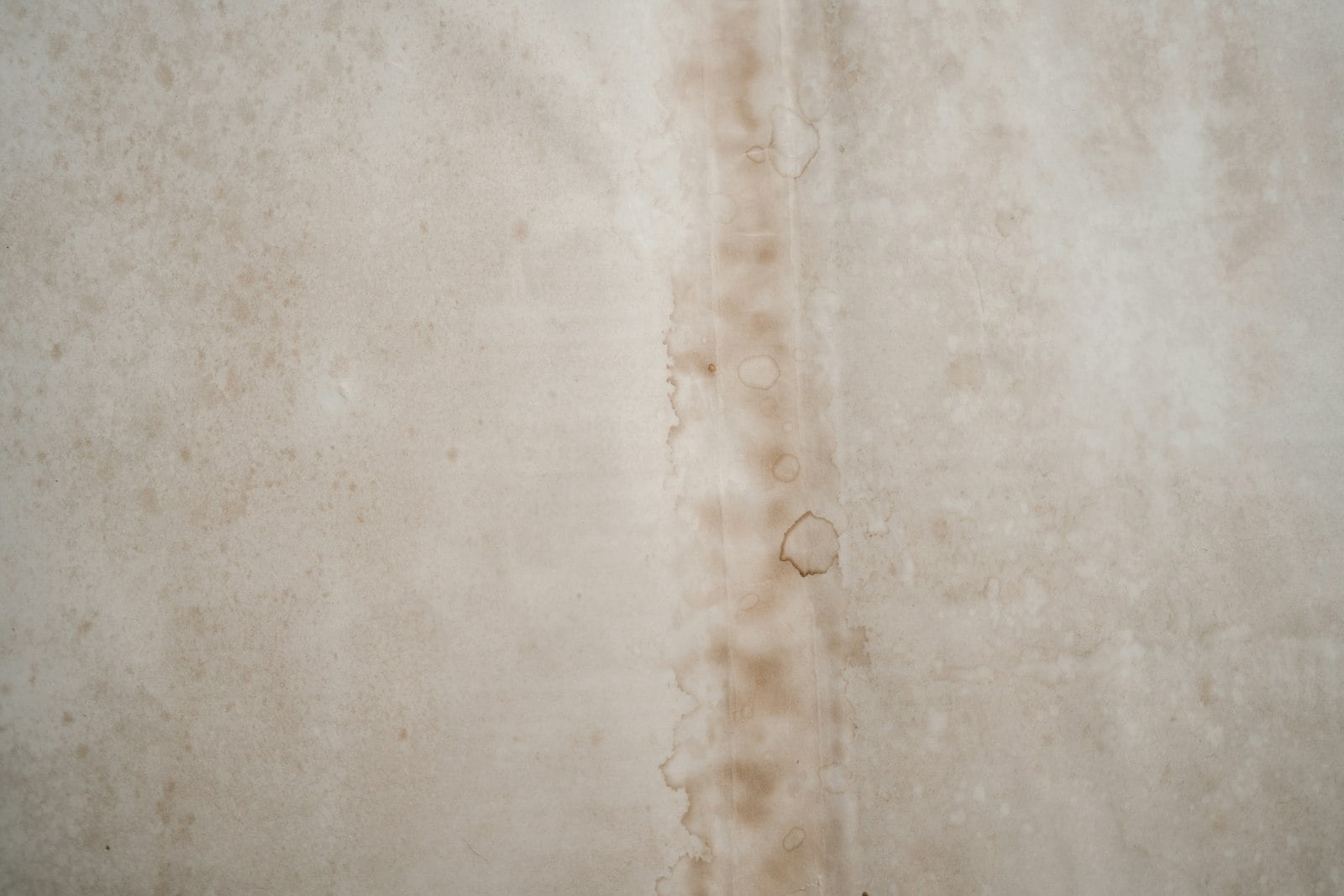
A brown ring under a bathroom, a roof valley or an attic air handler means water has been running for a while. Do not push on a bulging ceiling to see how wet it is.
Hidden damage signs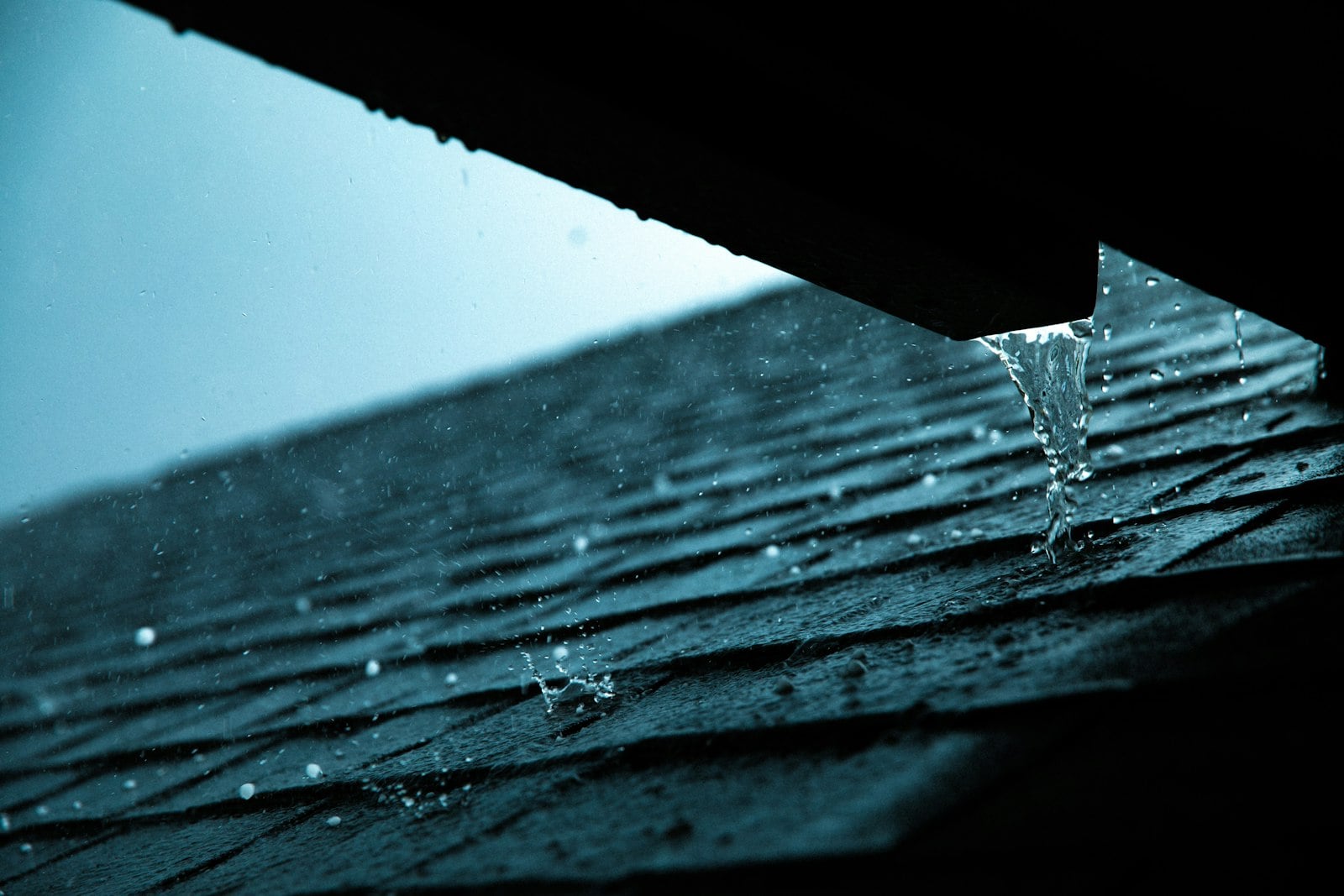
Wind-driven monsoon rain gets under tile and through flat-roof scuppers and canales that are packed with dust. The leak often shows up at a light fixture first.
Storm cleanupCarpet dries on top long before the pad and the slab under it do. Damp padding is where the smell starts and where mold gets going.
How drying worksA backup carries waste into the house. Keep people and pets out of the room, leave the air conditioning off and call Tucson Flood Restoration to reach a cleanup provider.
Sewage cleanup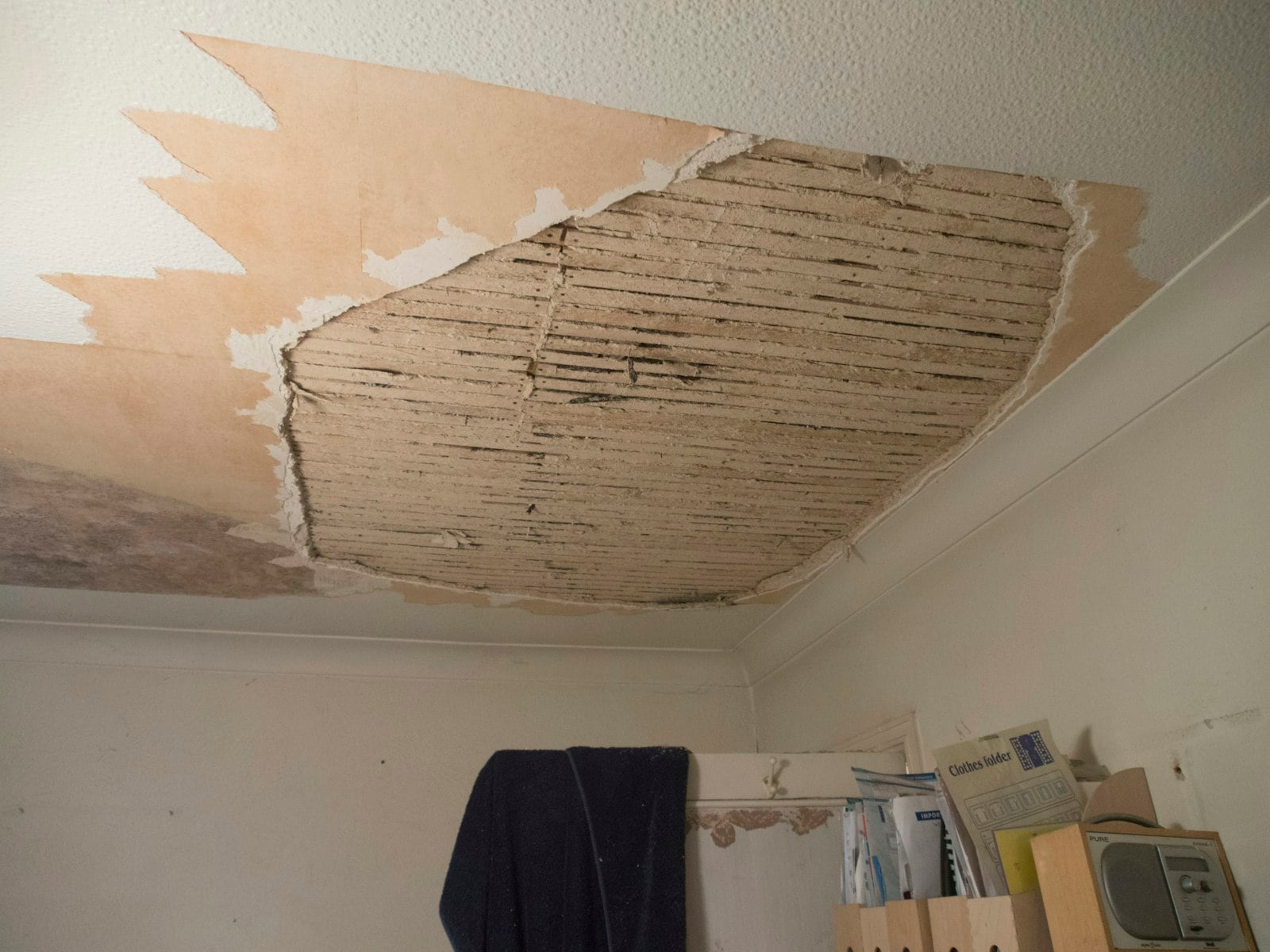
Some wet material dries out and stays. Some of it has to come out. Moisture readings and the kind of water involved decide which.
Restore or replaceCall and describe where the water is coming from, how long it has been running and which rooms are wet. If the source is still running and you can reach the shutoff safely, turn it off first.
Moisture meters and a walk of the wet rooms show where the water went under flooring, behind base cabinets and up the drywall. Guessing from the visible wet patch misses most of it.
Before anything is removed, ask the provider to explain what can be dried in place, what has to come out and what the work costs, and to take photos and readings.
Equipment stays in place and readings are repeated until the materials are back to a normal dry level. Then you get the repair plan for what was removed.
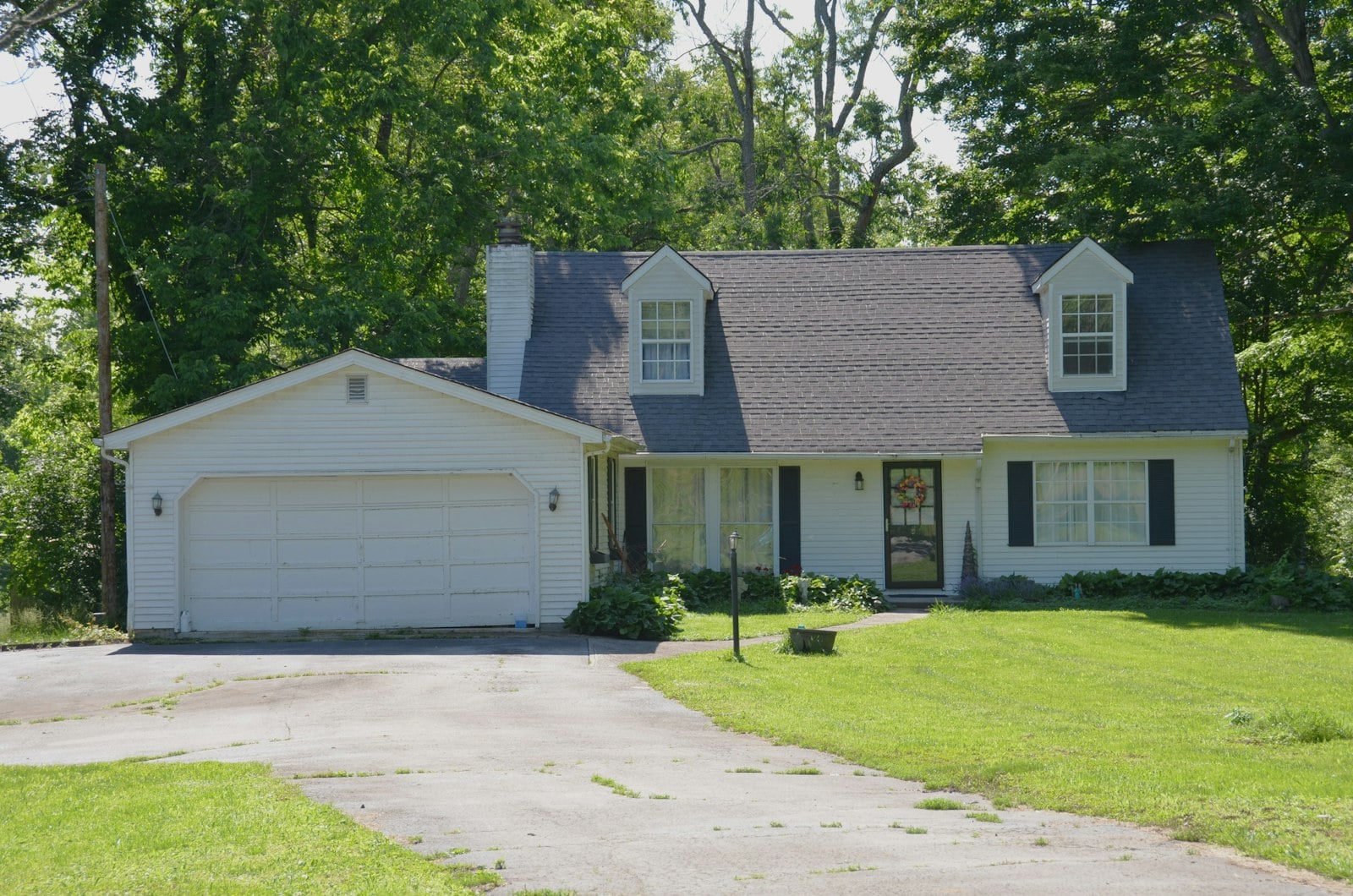
Runoff off the Santa Catalina front reaches the wash system in minutes, and yards near it take the overflow.
View Oro Valley service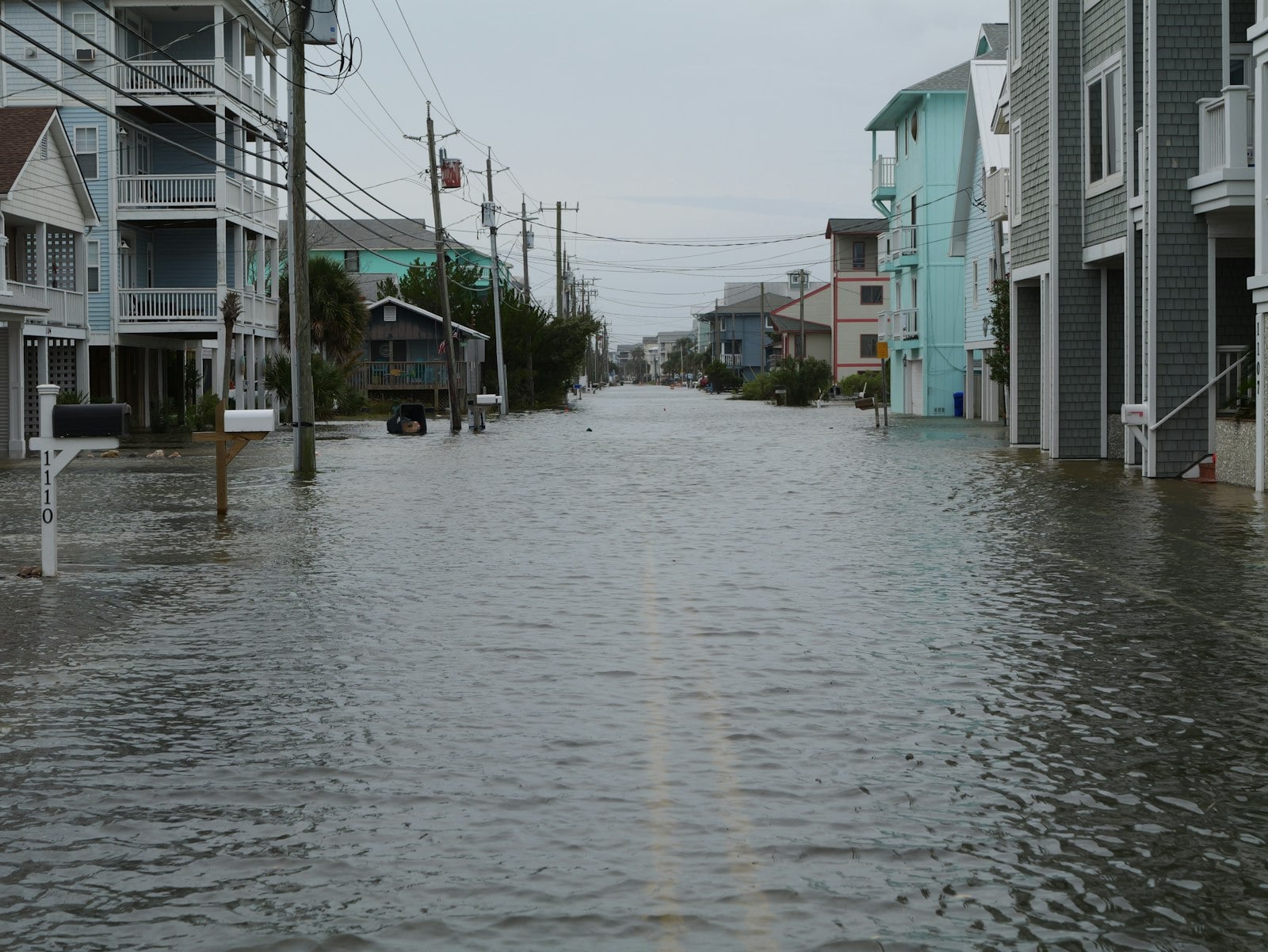
Flat ground along the I-10 corridor drains slowly, so storm water sits in yards and driveways against the house.
View Marana serviceNewer slab homes south along I-19 share the same weak points: supply lines, water heaters and AC drain lines.
View Sahuarita service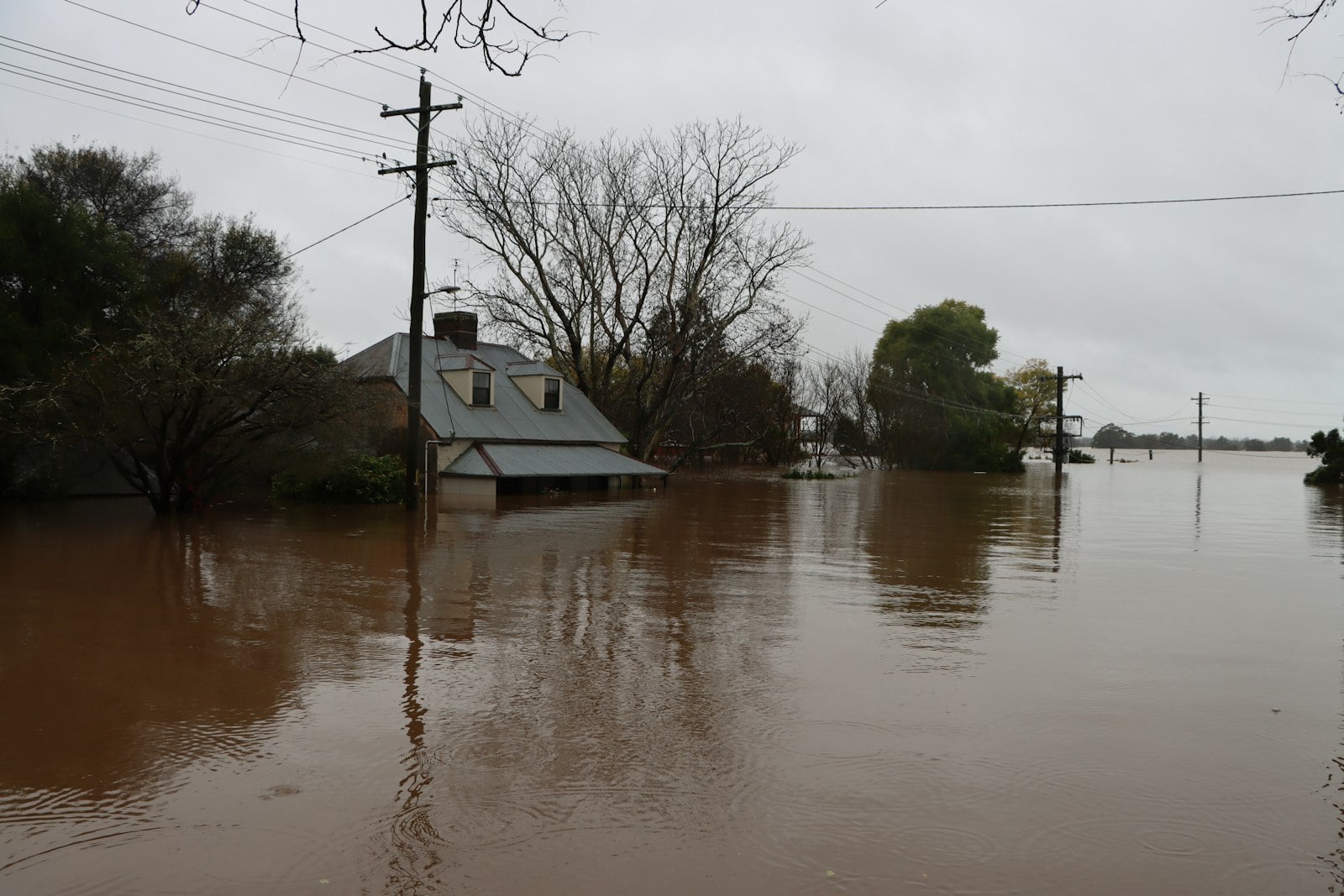
Larger desert lots and nearby washes mean water can reach a house from the yard as well as from the roof.
View Vail serviceHillside lots, flat roofs and canales move a lot of water past a house in a short storm.
View Catalina Foothills serviceIn a home closed up for the summer, a small supply-line leak can run for weeks before anyone opens the door.
View Green Valley serviceSubdivisions built in the 1990s and 2000s repeat the same plumbing and roof details, and the same failures.
View Rita Ranch serviceBig east-side lots below the foothills, washes that fill in minutes and a lot of flat roofs.
View Tanque Verde service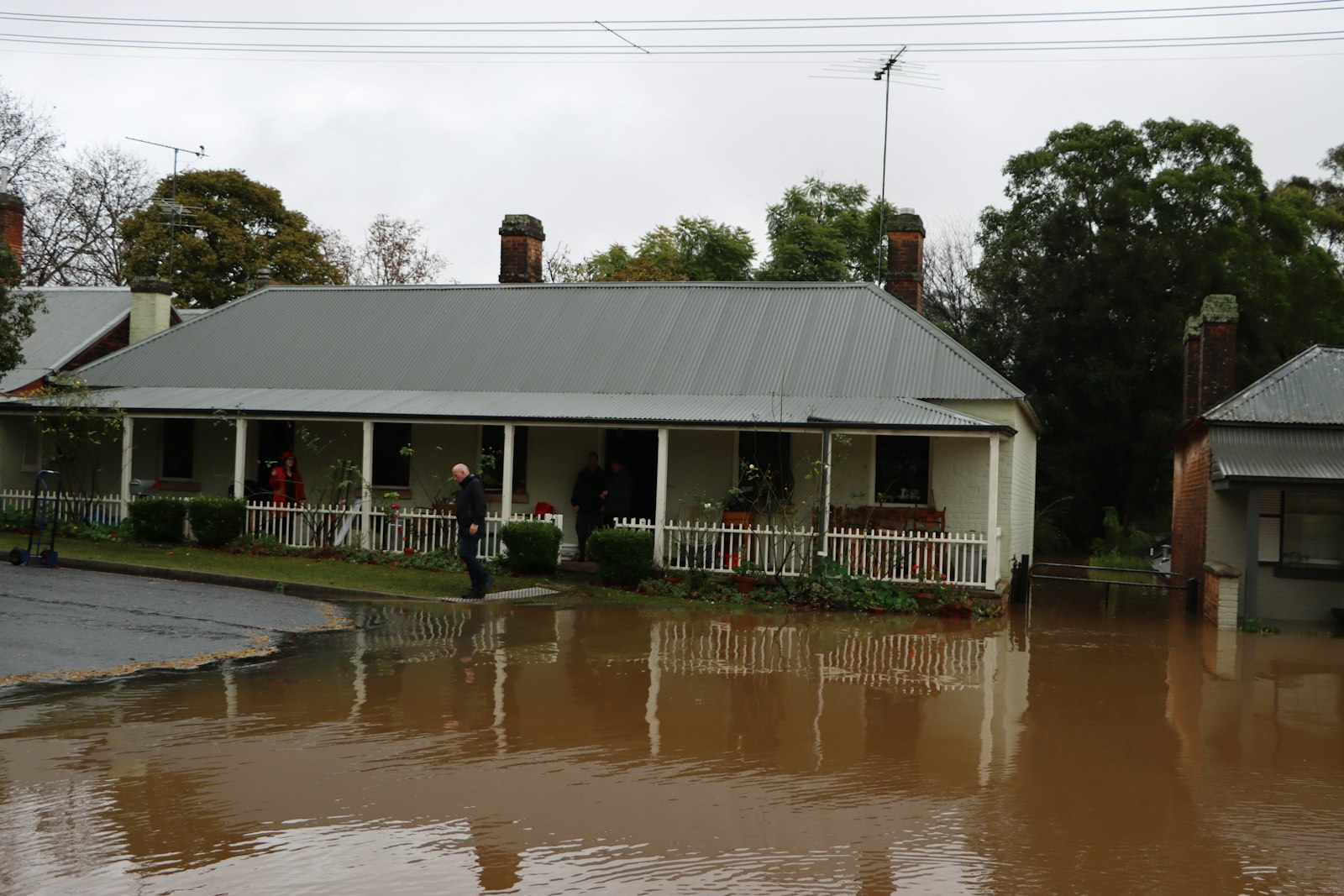
Central 1940s to 1970s homes with flat roofs, evaporative coolers and older supply piping.
View Midtown Tucson serviceThere is no single price. The cost follows the size of the wet area, the type of water and how much material has to come out, so ask the independent provider to read the building and confirm scope and price before anything is removed. See how a service call runs.
Tucson Flood Restoration takes calls for Tucson and the surrounding communities; availability depends on the provider and the property location. Give the full property address and the nearest cross street so coverage can be checked. Check the service area list.
Shut the water off if there is a valve you can reach without standing in water, stay out of rooms where outlets or an air handler are wet, and photograph each room before moving anything. Read the first 24 hours guide.
It depends. Calls are connected with an independent water damage restoration provider, and availability and scheduling depend on the provider and the property location. On a heavy monsoon night demand is high. See what extraction covers.
It depends on the type of water, how long it sat and what the moisture readings do. Clean water caught early usually dries in place; drain water, outside flood water and anything soaked for days comes out. Compare drying and restoring against replacing.
Longer than most people expect, and there is no number that fits every job. Equipment comes out when the readings say the materials are back to normal, not on a fixed schedule, and you should be shown those readings daily. Read how structural drying works.
Often yes, if the water was clean and the wet area is contained. Stay out of rooms where water reached outlets or an air handler, and leave the equipment running overnight. See what the equipment is doing.
Yes. Mold grows on wet material, not on humid air, so a leak inside a Tucson home supplies exactly what it needs. Wet drywall, carpet pad and cabinet bases can start growing within a couple of days. See how remediation works.
Treat it as a biohazard: keep children and pets out, stop using drains, leave the air conditioning off so contaminated air is not circulated, and do not try to clean it yourself. Read the sewage cleanup guidance.
Ask the independent provider whether it documents the damage - readings, photographs and a written scope - and can share that record with your insurer or property manager. Nobody can promise how a claim will be decided. Read the claim basics guide.
Call and describe what got wet, where it started and whether the water has stopped to check for an available provider.