Water and debris removal
Storm water brings grit, mud and yard material in with it. That comes out along with the water before anything can be assessed or dried.
Monsoon storms deliver more rain in twenty minutes than the ground can absorb. Tucson Flood Restoration connects Tucson homes and businesses with independent providers for cleanup after roof leaks, wind-driven rain and water that came in across the threshold.
Tucson's monsoon runs from July into September and is stronger here than in the low desert. Short, violent downpours fill washes and low streets in minutes, and water that leaves a street reaches a slab-on-grade house at ground level. The roofs matter too: wind-driven rain gets under tile, and the flat and low-slope roofs common on older central homes drain through canales and scuppers that fill with dust and grit between storms.
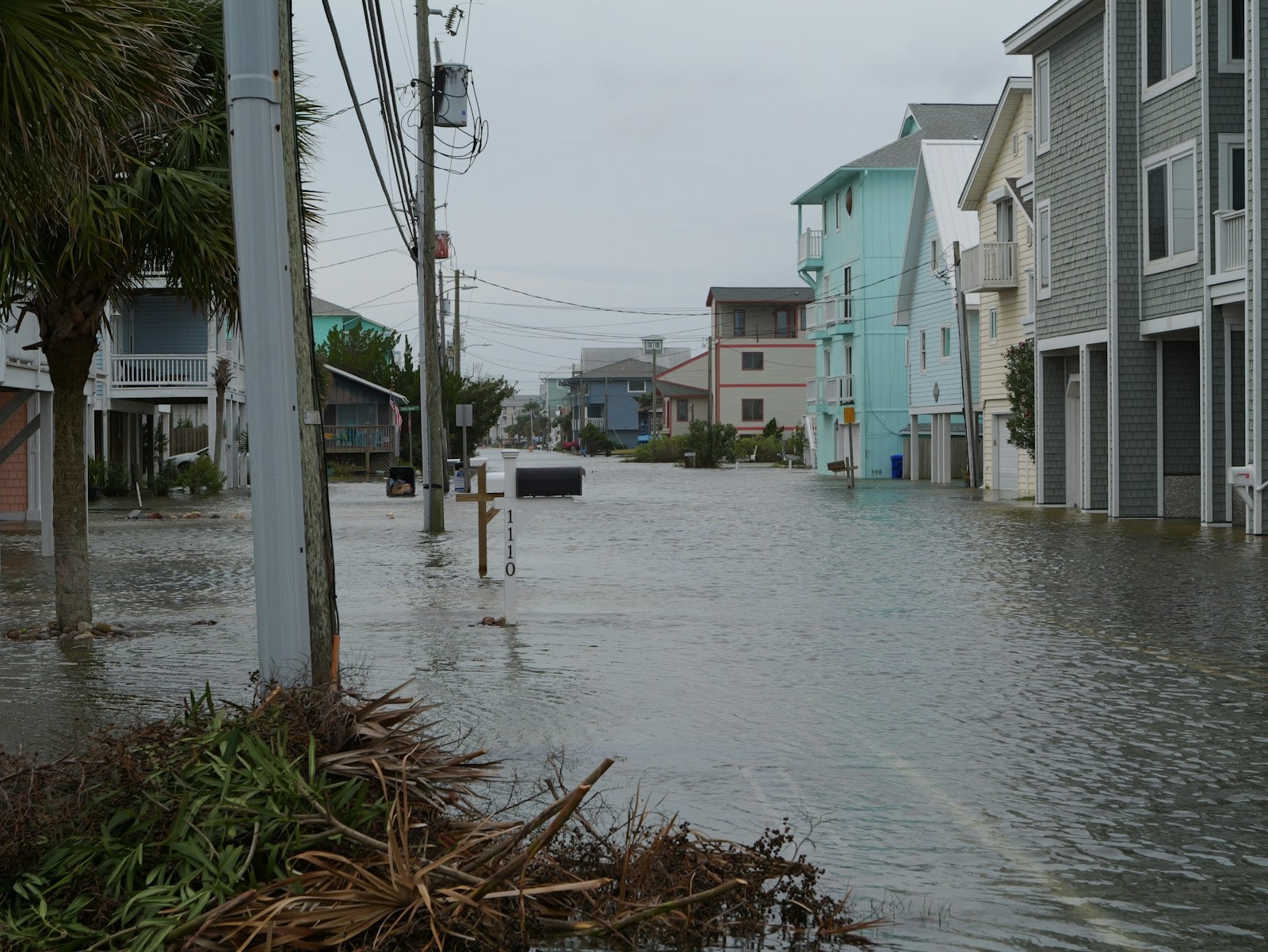
Storm water brings grit, mud and yard material in with it. That comes out along with the water before anything can be assessed or dried.
The provider looks for where it got in - tile, flashing, a canale, a threshold or a window - so the building is not dried while it is still open to the next storm.
Water that ran across a yard, a wash or a street is treated as contaminated. Porous material it soaked is removed rather than dried, and the area is cleaned before drying starts.
After a storm the phone rings across the whole city at once. Availability and scheduling depend on the provider and the property location, so ask what to do in the meantime. Work then moves into extraction and drying.
If a storm also backed up a drain, see sewage cleanup, and if wet material sat through a humid week, read about mold remediation. Rain that came in through the roof rather than the door is covered on the roof leak cleanup page. Outlying communities such as Vail and Marana see this most often; the full list is on the service areas page.
Whether the water was clean roof water or dirty ground water, how many rooms it reached and how much material has to come out. Ask the independent provider to explain the category and the removal scope before starting, and whether it documents both for your insurer.
Not until the power to the wet area is dealt with and you can see what you are stepping into. Keep out of standing water with outlets or cords in it, wear closed shoes and gloves around storm debris, and do not run the air conditioning if dirty water reached the air handler or ducts.
It depends on the independent provider and the property location. On the worst nights every restoration company in the area is busy at once, so ask the provider about timing and what to do while you wait.
Desert ground sheds water rather than absorbing it, and a slab home sits only slightly above grade. Once a street, a yard or a wash overflows, the threshold is the low point. Grading, patio drains and door seals are worth reviewing before the next season.
Call and describe what got wet, where it started and whether the water has stopped to check for an available provider.