Monsoon Commercial Flood Cleanup in Tucson
Commercial flood cleanup in Tucson means removing storm water that came in from outside, drying the building and keeping a clear record for your insurer and landlord. Monsoon runoff carries mud and debris, so treat it as dirty water. Call to be connected with a local provider who can look at your business.
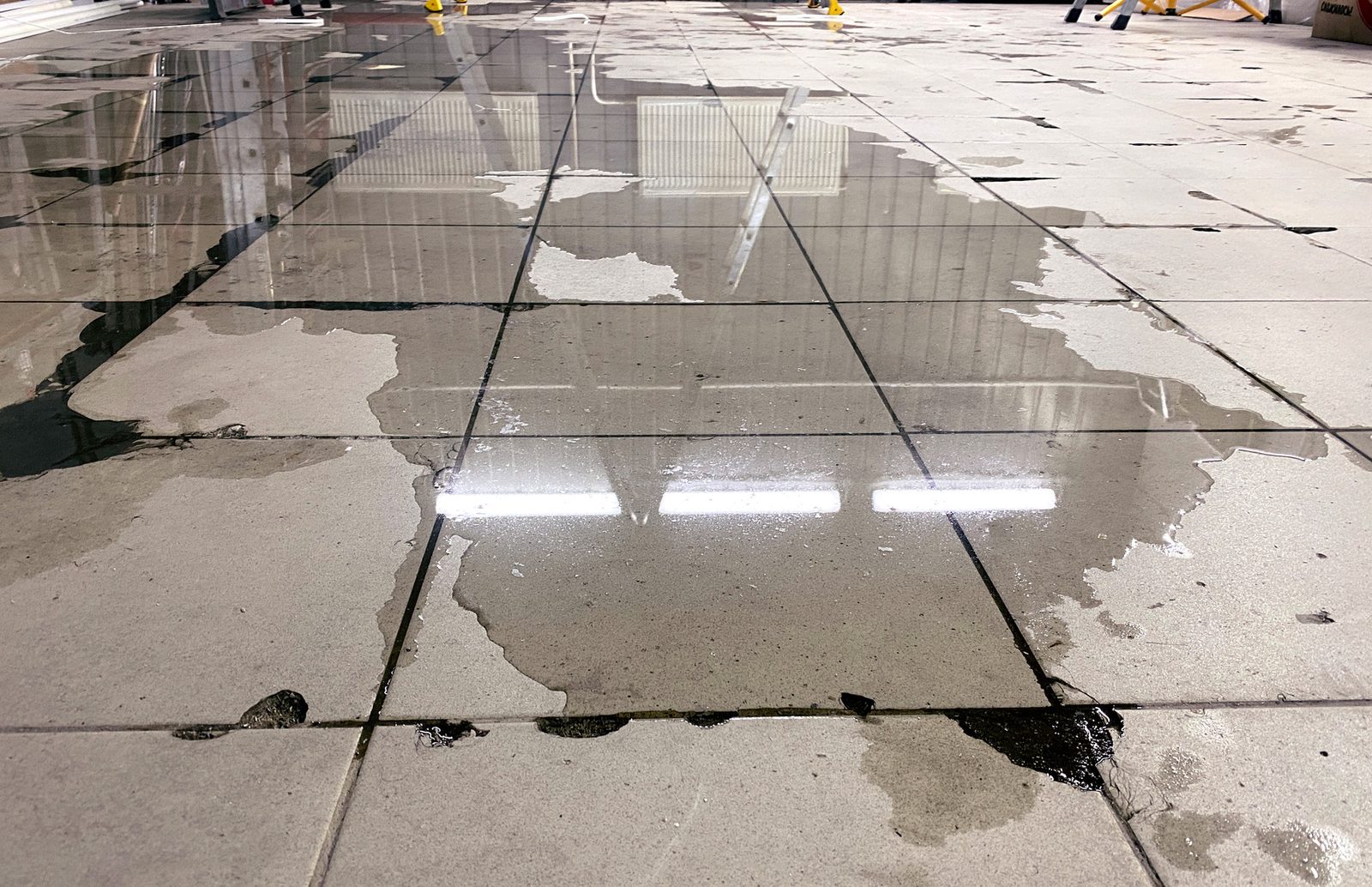
- The National Weather Service defines the Southwest monsoon as June 15 through September 30.
- NWS says Tucson averages 5.69 inches of rain during the monsoon, and the 2026 season brought 5.76 inches to Tucson International Airport.
- FEMA says most homeowners insurance policies do not cover flood damage, so business owners should ask their agent how their own commercial policy treats flood.
- Arizona DIFI advises taking photos of damage before any mitigation or restoration contractor shows up.
- Outside floodwater carries mud and debris, so it is handled differently from a clean supply line leak.
What to do first
- Keep staff and customers out of standing water, and do not drive or walk through flowing water outside.
- If water is near outlets, power strips or floor equipment, stay out and have the power shut off safely before anyone goes in.
- Take photos and video of every wet room, the water line on walls and damaged stock before anything is moved.
- Call your insurance agent or adjuster and, if you lease, your landlord or property manager.
- Move dry inventory and records to a higher, dry area if it is safe to do so.
What does commercial flood cleanup in Tucson involve after a monsoon storm?
Commercial flood cleanup in Tucson after a monsoon storm usually means pumping or extracting the water, removing mud and soaked materials, cleaning surfaces the water touched and then drying the structure with air movers and dehumidifiers. The goal is a dry, clean space and a written record that explains what happened.
Storm water is different from a burst pipe. It comes in under doors, through roof drains or across a parking lot, and it brings dirt, oil and debris with it. That changes what can be saved. Carpet, carpet pad, lower drywall and insulation that soaked up outside water are often removed instead of dried in place.
Most jobs follow the same order: water extraction, removal of materials that cannot be cleaned, cleaning, and then structural drying with moisture readings until the building is back to normal. Repairs come last.
Why do Tucson storefronts and offices flood during the monsoon?
Tucson businesses flood during the monsoon because short, heavy storms drop a lot of rain on hard desert ground, streets and parking lots that do not soak it up. The water runs toward the lowest point, and for many strip centers and older storefronts that point is the front door or a loading dock.
Common entry points include:
- Front doors and slab edges where the parking lot slopes toward the building.
- Flat roofs whose few drains clog with dust and debris after a dust storm, so water backs up and finds a seam.
- Loading doors and rear service areas next to alleys or drainage channels.
- Buildings near washes, where water can rise fast and spread across nearby lots.
If your building has flooded before, it is likely to flood again from the same direction. Note where the water came in, because that helps with both the cleanup scope and future prevention.
Is monsoon floodwater safe for employees to clean up?
Small amounts of clear rain water on a sealed floor can often be handled by staff with a wet vac and fans. Muddy water that came in from the street or a wash is a different matter. It can carry sewage, oil and debris, and it soaks into drywall, carpet and furniture quickly.
Before anyone starts, think about these points:
- Is the power off in wet areas, and is it safe to be there?
- Did the water come from outside, or did a drain back up? Backed-up drains point to sewage cleanup, which needs more care.
- Do you have gloves, boots and a way to get rid of soaked materials?
- Has your insurer seen the damage, or at least the photos?
If the answer to any of these is unclear, call to be connected with a local provider before employees start tearing things out.
Need help now? Call to be connected with a local provider in Tucson who can check availability for your address.
How quickly does a flooded business need to be dried out?
A flooded business should be dried as soon as it is safe, because wet drywall, wood and carpet can start to grow mold in the first day or two. Fast drying also limits the smell, the damage to stock and the time your doors stay closed.
The Arizona Department of Health Services says it is critical to remove the source of moisture first, because mold will return if an area gets wet again. After a flood, ADHS also advises removing all sheetrock to at least 12 inches above the high-water mark. A provider will usually take moisture readings each day and keep equipment running until the readings show the materials are dry.
Tucson's dry air helps, but it does not dry the inside of a wall or the slab under vinyl flooring on its own. That is where commercial drying equipment matters.
What happens during the visit?
During the visit, the provider inspects the building, finds where the water came in, checks how far it spread and takes moisture readings in floors and walls. They should then explain your options in plain words and give you a written quote before any work begins.
Expect the visit to cover:
- Inspection: a walk-through of every wet area, including back rooms, restrooms and storage.
- Options explained: what can be dried in place, what should be removed and whether work can be staged so part of the business stays open.
- Written quote: the scope of work in writing before the work starts, so you and your insurer can review it.
You can read more about the steps on how it works. Ask questions until the plan makes sense to you.
How should a Tucson business document flood damage for insurance?
Document flood damage by taking clear photos and video of every wet area before cleanup starts, then keeping a written log of everything that happens after. Arizona's Department of Insurance and Financial Institutions (DIFI) advises taking pictures of the damage before any water mitigation or restoration contractor arrives.
Good records for a business include:
- Photos of the water line on walls, wet stock, equipment and fixtures.
- A list of damaged inventory with quantities.
- A log of dates, times, names and equipment used, such as dehumidifiers, air movers and moisture meters. DIFI suggests keeping this kind of log.
- Copies of every written quote and moisture report.
If you lease, share the same records with your landlord or property manager. The insurance claim basics guide covers more of the process.
Does business insurance cover commercial flood cleanup in Tucson?
It depends on your policy, so check with your agent or adjuster before you assume anything. Many policies treat sudden damage differently from gradual leaks, and flood from outside water is often treated differently again. Check your policy and document everything.
FEMA says most homeowners insurance policies do not cover flood damage, and many business owners find that flood is handled separately on commercial policies too. FEMA also says there is typically a 30-day waiting period after buying a National Flood Insurance Program policy before it takes effect, with some exceptions. That means the time to look at flood coverage is before next monsoon, not after the next storm.
DIFI advises calling your insurance company or adjuster before calling a contractor, and confirming coverage with the adjuster rather than taking a contractor's word for it.
How can a Tucson business prepare before next monsoon?
Prepare by checking where water reached your building this year and fixing the easy problems during the cool, dry months. Small steps now can keep the next storm outside.
- Clear roof drains and scuppers after dust storms and before July.
- Keep stock and records off the floor in rooms that took water before.
- Ask your landlord about grading, door thresholds and drainage near the building.
- Review your insurance with your agent, including how flood is handled.
- Save this page and the number so staff know who to call.
For storm damage beyond a single business, see storm and flood cleanup.
Monsoon flooding facts for Tucson businesses
The National Weather Service defines the Southwest monsoon as June 15 through September 30, and it says flash floods are common in Arizona. NWS says Tucson averages 5.69 inches of rain during the monsoon, more than half of the city's 1991-2020 normal annual precipitation of 10.61 inches.
The 2026 monsoon brought 5.76 inches to Tucson International Airport, but totals across the metro ranged from 3.00 to 8.00 inches and reached up to 12.00 inches in some spots. That means a business in Marana or Vail can see a very different storm than one in Midtown Tucson during the same storm.
NWS notes that the City of Tucson's Operation Splash and Pima County Department of Transportation pre-deploy barricades and flashers where water is known to run across roads during storms. NWS also says it takes only about 1 to 2 feet of water to float most vehicles, so staff should never drive around barricades to reach a flooded shop. Providers serve businesses in Tucson, Oro Valley, Marana, Sahuarita, Vail and nearby areas.
Related pages
Questions people ask
Who should I call for commercial flood cleanup in Tucson?
Call your insurer first, then call to be connected with a local provider for commercial flood cleanup in Tucson. Take photos before anything is moved so you have a record.
Is monsoon floodwater considered dirty water?
Yes, water that comes in from streets, parking lots or washes is treated as dirty water. It can carry mud, oil, debris and sewage, so soaked materials are often removed instead of dried.
Can my business stay open during flood cleanup?
Sometimes, yes. Ask the provider whether wet areas can be sealed off and worked in stages so part of the building stays open.
Does commercial property insurance cover flood damage in Arizona?
It depends on your policy. Many policies treat outside flood water differently from sudden pipe leaks, so check your policy with your agent and document everything.
Do I need flood insurance for my business in Tucson?
That is a question for your insurance agent. FEMA says National Flood Insurance Program policies typically have a 30-day waiting period, with some exceptions, so it is worth asking before monsoon season.
Should I call my insurance company or a cleanup company first?
Arizona DIFI advises calling your insurance company or adjuster before calling a contractor. Confirm what is covered with the adjuster, not the contractor.
Who pays for flood cleanup in a leased building in Tucson?
It depends on your lease and both parties' insurance. Tell your landlord or property manager right away and share the same photos and records with them.
Why does my building flood every monsoon?
Usually the site slopes toward a door, a roof drain clogs, or the building sits near a wash or low spot. Noting where the water came in helps you fix the cause.
Does drywall have to be cut out after a flood?
Often, yes. The Arizona Department of Health Services advises removing sheetrock to at least 12 inches above the high-water mark after flooding.
Can mold grow after a monsoon flood in a dry place like Tucson?
Yes. Outdoor air in Tucson is dry, but wet walls, carpet and flooring stay damp inside and can grow mold if they are not dried. See the mold page if you already see or smell it.
What is the difference between commercial flood cleanup and water damage restoration?
Flood cleanup deals with water from outside, which is dirty and usually means more removal. Water damage restoration often covers cleaner indoor leaks, like a broken pipe or a rooftop unit.
How do I know a flood cleanup company in Arizona is legitimate?
Check the contractor's license in the Arizona Registrar of Contractors' online search and ask for a written quote. DIFI also warns against high-pressure sales and door-to-door offers you did not request.
What should I do with flooded inventory?
Photograph it, list it with quantities and keep it until your adjuster says you can throw it out. Move dry stock to a safe, dry area.
When is monsoon season in Tucson?
The National Weather Service defines the monsoon as June 15 through September 30. Most storm activity usually falls in July and August.
What can I do now to prevent flood damage at my Tucson business next summer?
Clear roof drains, keep stock off the floor in low rooms, ask your landlord about drainage near doors and review your insurance. The cool months are a good time to do this.
Talk to someone about your water damage problem
Call to be connected with a local provider who can check availability for your address and explain the next step.