What Is Water Damage Restoration in Tucson?
What is water damage restoration? It is the full process of returning a wet home to normal: stopping the source, removing standing water, drying the structure with monitored equipment, cleaning or removing damaged materials, and rebuilding. In Tucson, call to be connected with a local provider who can inspect and explain your options.
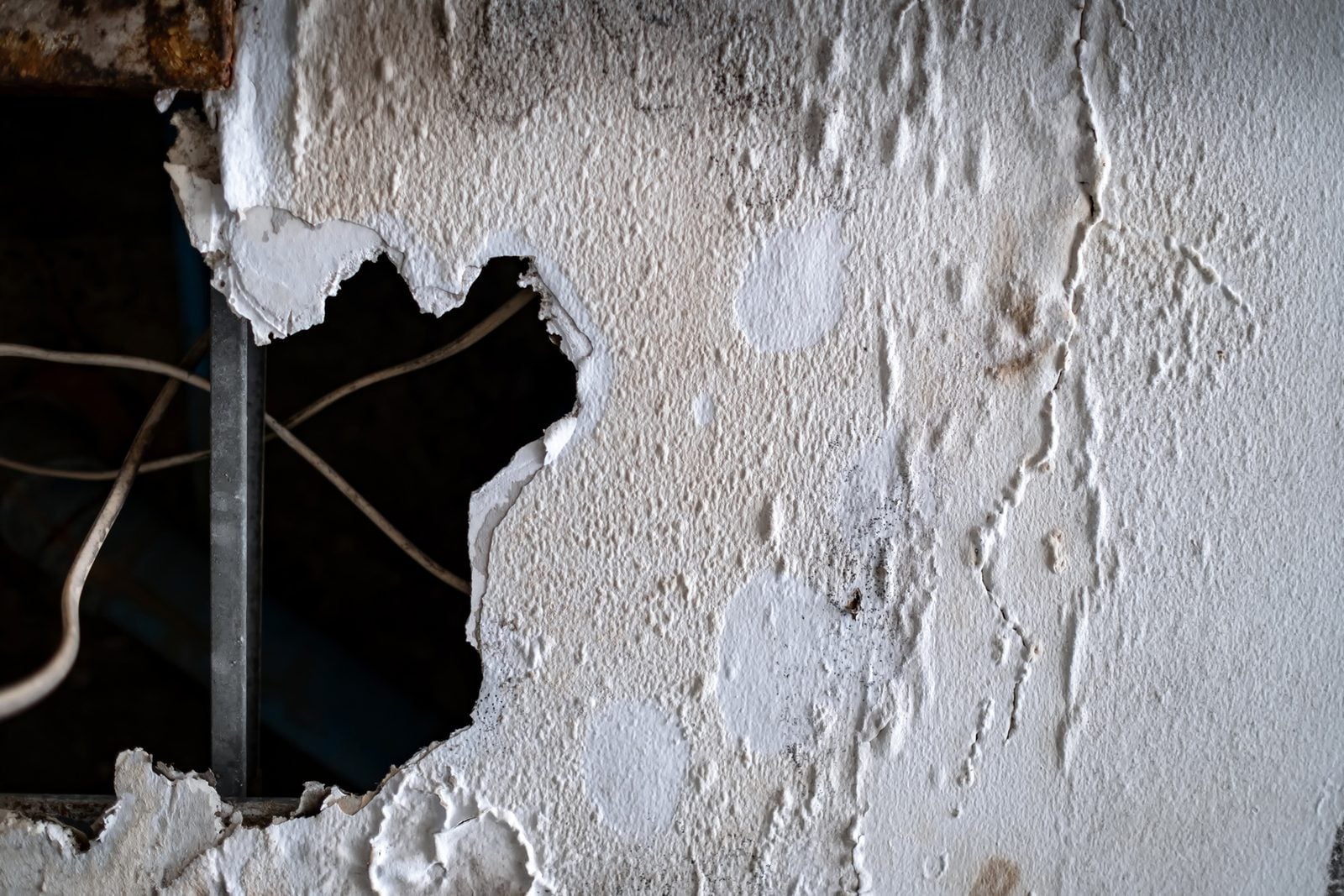
- The EPA says water-damaged areas and items should be dried within 24-48 hours to prevent mold growth.
- The Arizona Department of Health Services says the moisture source must be removed first, because mold will return if the area gets wet again.
- Arizona DIFI advises taking pictures of the damage before any water mitigation, plumber or restoration contractor shows up.
- DIFI advises calling your insurance company or adjuster before calling a contractor, and says it is your right to get more than one quote.
- The EPA advises keeping indoor relative humidity below 60 percent, ideally between 30 and 50 percent.
What is water damage restoration, in plain words?
Water damage restoration is the work of taking a home from wet and damaged back to dry, clean and livable. In Tucson it usually covers five stages: stopping the water, extracting what is standing, drying the building materials, cleaning or removing what cannot be saved, and putting the rooms back together.
It is more than mopping up. Water soaks into drywall, carpet pad, baseboards, cabinets and the gaps inside walls. Surfaces can look dry while the materials behind them are still wet. Restoration treats the hidden moisture too, using meters to find it and drying equipment to remove it. The goal is a home that is dry by measurement, not just by touch.
What is the difference between water mitigation and restoration?
Mitigation is the emergency part of the job that stops the damage from getting worse, while restoration is the full process that also includes repairs and rebuilding. Many providers do both, and many insurance claims treat them as separate line items.
- Mitigation: stopping the source, extracting water, moving contents, removing soaked materials that cannot be dried, and setting up drying equipment.
- Drying and monitoring: daily moisture readings until materials reach a normal level for the home.
- Reconstruction: replacing drywall, insulation, flooring, trim and cabinets, then matching paint and texture.
DIFI suggests keeping a log of times, dates, technician names and equipment used, such as dehumidifiers, air movers and moisture detectors, during water mitigation. That log helps you follow the job and talk to your adjuster.
What are the steps of water damage restoration?
The steps of water damage restoration follow the water: stop it, document it, remove it, dry what is left, clean, and rebuild. Skipping a step usually shows up later as odor, stains or mold.
- Stop the source. Shut off the water at the main valve for a plumbing leak, or stop roof or cooler water from entering if you can do so safely.
- Document. DIFI advises taking pictures of the damage before any water mitigation, plumbers or restoration contractors show up.
- Extract. Pumps and wet vacuums pull standing water out of carpet and off hard floors. See emergency water extraction.
- Remove what cannot be dried. Soaked carpet pad, swollen particleboard and wet insulation often have to go.
- Dry and dehumidify. Air movers and dehumidifiers run while moisture readings are taken. See structural drying and dehumidification.
- Clean and sanitize. Surfaces touched by dirty water are cleaned and treated.
- Rebuild. New drywall, flooring and finishes go in once the structure tests dry.
Need help now? Call to be connected with a local provider in Tucson who can check availability for your address.
Does all water damage need professional restoration?
No. A small spill of clean water on a hard floor that you dry quickly may need nothing more than towels and a fan. Professional water damage restoration makes sense when water soaked into walls, carpet or cabinets, came from a dirty source, or sat for more than a day.
Water is often sorted into three plain-language groups:
- Clean water: from a supply line, faucet or water heater.
- Gray water: from a washing machine, dishwasher or AC drain, which carries some contaminants.
- Black water: sewage, toilet overflow with waste, or outdoor floodwater, which should be handled by a pro. See sewage backup cleanup.
Clean water can turn into a dirtier category the longer it sits and the more materials it passes through. That is one reason timing matters.
What are the common myths about water damage restoration?
The most common myth is that if a room looks dry, it is dry. Several others lead homeowners to wait too long or skip steps.
- Myth: "Tucson is so dry that water evaporates on its own." Fact: outdoor air is often dry, but water trapped inside walls, under flooring and in cabinets does not dry quickly on its own. The EPA says to dry water-damaged areas within 24-48 hours to prevent mold growth.
- Myth: "A fan and an open window are enough." Fact: fans move surface moisture but do not measure it. Restoration uses meters to confirm materials are dry.
- Myth: "Bleach fixes mold after a leak." Fact: ADHS says it is critical to remove the source of moisture first, because mold will return if the area becomes re-wetted.
- Myth: "Everything wet has to be torn out." Fact: many materials can be dried in place when caught early. See dry and restore vs. replace.
- Myth: "The contractor will tell me what insurance covers." Fact: DIFI advises verifying coverage with your adjuster rather than taking the contractor's word for it.
What happens during the visit?
During the visit, a local provider inspects the damage, explains your options, and gives you a written quote before any work begins. You decide what happens next.
- Inspection: the provider finds the source, checks walls, floors and ceilings with moisture meters, and maps how far the water spread.
- Options explained: what can be dried in place, what likely needs removal, what kind of water is involved, and which rooms are affected.
- Written quote: a scope of work in writing before anything starts, so you can compare it with another quote and share it with your adjuster.
Ask the provider to show you the moisture readings and to explain each line in the quote. DIFI advises making sure any contractor doing the work is licensed in Arizona, and you can look up a contractor in the Arizona Registrar of Contractors' online contractor search.
How do I choose a water damage restoration provider?
Choose a provider who explains the problem clearly, shows you moisture readings, puts the scope in writing, and does not pressure you to sign on the spot. DIFI warns homeowners to avoid high-pressure sales and people going door to door offering services that were not requested.
Questions worth asking:
- How will you measure when my home is dry?
- What do you plan to remove, and why can it not be dried?
- Will the rebuild be done by you or by another contractor?
- Can I have the quote in writing before work begins?
Renters have one more step: DIFI advises renters to check with their landlord before any repair work begins.
Why water damage restoration in Tucson has its own challenges
Tucson gets little rain for most of the year, then a lot at once. NWS offices in the Southwest define the monsoon as June 15 through September 30, and NWS says Tucson averages 5.69 inches of precipitation during the monsoon, out of a 1991-2020 normal annual total of 10.61 inches. NWS also says flash floods are common in Arizona. The 2026 monsoon brought 5.76 inches to Tucson International Airport, with totals across the metro ranging from 3.00 to 8.00 inches and locally up to 12.00 inches.
That means a home in Oro Valley or the Catalina Foothills can see very different storm water from one in Sahuarita, Vail or Rita Ranch. Indoor sources matter too. Tucson Water says hard water causes calcium deposits to build up in evaporative coolers and water heaters, and University of Arizona Cooperative Extension explains that swamp coolers send cooled and humidified air into the living space. Winter adds risk: Tucson averages 12 days a year with lows of 32°F or colder. Local providers serve Tucson, Marana, Green Valley, Tanque Verde, Midtown Tucson and nearby areas.
Related pages
Questions people ask
What is water damage restoration and what does it include?
Water damage restoration is the process of stopping water, drying your home and repairing what was damaged. It usually includes extraction, removal of materials that cannot be saved, drying with monitored equipment, cleaning, and rebuilding.
Is water damage restoration the same thing as water extraction?
No, extraction is only one early step. Extraction removes standing water, while restoration also covers drying the structure, cleaning, and repairs.
Can I just dry out a wet room in my Tucson house with fans?
For a small clean-water spill caught right away, fans may be enough. If water reached the walls, carpet pad or cabinets, fans alone often leave hidden moisture that only a meter will find.
How do restoration pros know when a wall is actually dry?
They use moisture meters and compare readings with dry areas of the same home. Drying continues until wet materials match those normal readings.
Why do they cut holes in my drywall during water damage restoration?
Small holes or cuts let air reach wet wall cavities so they can dry. Sometimes the lower part of the wall is removed when the drywall or insulation is too soaked to save.
Should I turn on my swamp cooler to help dry a wet room?
Usually not without asking the provider first. University of Arizona Cooperative Extension explains that evaporative coolers send cooled and humidified air into the living space, which adds moisture indoors.
What indoor humidity should my house be at after water damage?
The EPA advises keeping indoor relative humidity below 60 percent, ideally between 30 and 50 percent. A provider can check humidity during drying.
Can mold start growing even though Tucson is a desert?
Yes, mold can grow on wet materials indoors no matter the outdoor climate. The EPA says to dry water-damaged areas and items within 24-48 hours to prevent mold growth.
Should I get mold testing before water damage restoration starts?
Usually testing is not the first step. ADHS does not recommend mold testing as the first step and says that if you can see or smell mold, you have a problem.
Is it okay to clean up a small patch of mold myself after a leak?
Often yes, for a small area. The EPA says that if the moldy area is less than about 10 square feet, roughly a 3 ft by 3 ft patch, homeowners can usually handle the cleanup themselves.
Who should I call first after water damage, my insurance or a restoration company?
DIFI advises calling your insurance company or adjuster before calling a contractor. Stop the water and take photos first, then make the calls.
Does homeowners insurance usually pay for water damage restoration in Arizona?
It depends on your policy and the cause. DIFI says water damage not caused by a flood may be covered if it results from a sudden or accidental event, and your policy spells out what is and is not covered.
What should I write down while my house is being dried out?
Keep a simple log. DIFI suggests noting times, dates, technician names and equipment used, such as dehumidifiers, air movers and moisture detectors.
Is it a red flag if a restoration company knocks on my door after a monsoon storm?
Be careful. DIFI warns homeowners to avoid high-pressure sales and people going door to door offering services that were not requested.
Does a water damage restoration company need a license in Arizona?
Repair and rebuild work generally does. Arizona law makes it unlawful to act as a contractor without a license in good standing unless exempt, and the small-job exemption does not apply to work that needs a local building permit or is part of a larger job.
How do I check if a Tucson restoration contractor is licensed?
Use the Arizona Registrar of Contractors' online contractor search. Look up the business name or license number before you sign.
Can carpet be saved after water damage or does it always get replaced?
Carpet from a clean-water leak caught early can often be dried and cleaned. Carpet soaked by sewage or outdoor floodwater, and most wet carpet pad, is usually removed.
How long does water damage restoration take in a Tucson home?
There is no set timeline, because it depends on how much got wet, what materials are involved, and how much rebuilding is needed. Drying is finished when moisture readings return to normal, not on a fixed day.
Who do I call for water damage restoration in Tucson?
Call the number on this page to be connected with a local provider. They can check availability for your address, inspect the damage, and give you a written quote before work starts.
Talk to someone about your water damage problem
Call to be connected with a local provider who can check availability for your address and explain the next step.