Roof Leak Repair Contractors in Tucson
Roof leak repair contractors in Tucson fix the roof itself, but they usually do not dry the wet ceiling, insulation, walls and floors under it. After a leak, you often need both. Stop the drip inside, take photos, then call to be connected with a local provider who can check how far the water spread.
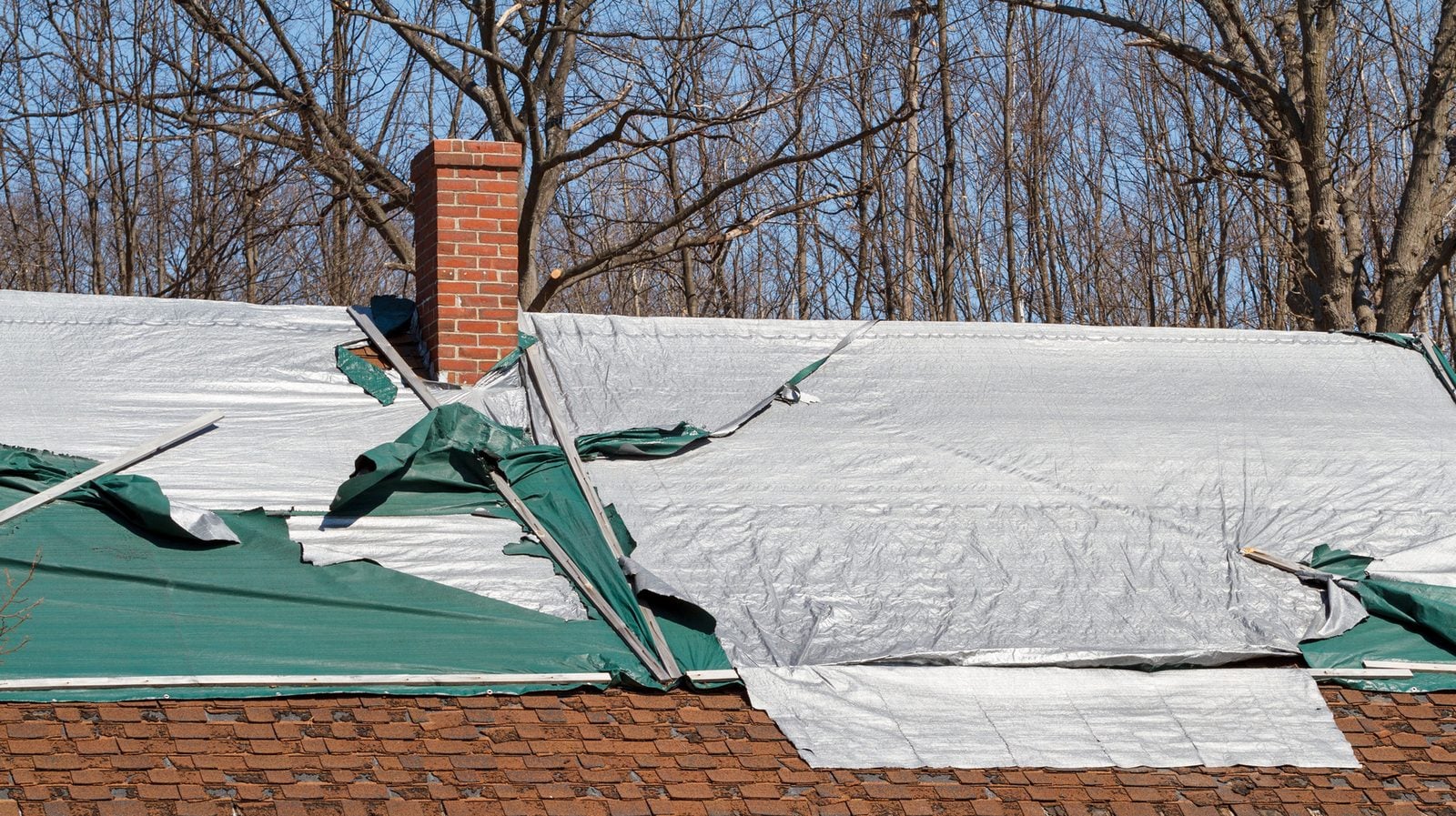
- Roofers stop water from getting in. Water damage providers find and dry the water that already got in.
- EPA says water-damaged areas and items should be dried within 24-48 hours to help prevent mold growth.
- ADHS lists leaky roofs as an indoor moisture source and says to remove the moisture source before cleanup, because mold returns if an area gets wet again.
- Arizona DIFI advises taking photos of the damage before any restoration contractor shows up.
- Arizona DIFI advises making sure any contractor doing the work is licensed in Arizona, and says it is your right to get more than one quote.
What to do first
- If the ceiling is bulging, sagging or dripping near a light fixture, keep people out of that room and have the power to that area shut off safely.
- Put buckets or bins under the drips and move furniture, electronics and rugs out of the wet area.
- Take photos and video of the ceiling, walls, floor and any stains before anything is moved or cut.
- Do not climb onto a wet roof or work on a roof during a storm.
- Call your insurance company or adjuster, then call to be connected with a local provider who can check the inside damage.
Do I need roof leak repair contractors or a water damage company?
In most Tucson homes with a real roof leak, you need both. Roof leak repair contractors find and fix the opening in the roof. A water damage provider finds the water that already came inside and dries the ceiling, attic insulation, walls and floors before mold or rot can start.
Think of it as two separate jobs. The roof job keeps the next storm out. The inside job deals with what the last storm left behind. A new roof patch does nothing for a soaked ceiling, and drying a room does nothing if the roof keeps leaking. The site's page on roof and ceiling leak water damage covers the inside damage in more detail.
Who should I call first after a roof leak in Tucson?
Call your insurance company or adjuster first if you plan to file a claim. Arizona DIFI advises calling your insurer before calling a contractor. Then call to be connected with a local water damage provider for the inside, and arrange a roofer for the roof once it is safe to get up there.
The order matters less than speed. EPA says wet areas should be dried within 24-48 hours to help prevent mold growth, and a roofer may not be able to work on a wet roof right away. A provider can often start on the inside, mapping wet areas and setting up drying, while the roof repair is being scheduled. A tarp or temporary cover is common until the permanent repair is done.
How does roof type change what happens inside the house?
Roof type changes where water travels and how far it spreads before you see it. On a flat or low-slope roof, water can pool and run sideways along the roof deck before it drips. On a pitched tile or shingle roof, it often runs down the underlayment and shows up far from the actual hole.
- Flat roofs: common on many Tucson houses and additions. Leaks often show up near walls, at roof drains or around cooler and AC stands.
- Tile roofs: the tiles shed most water, and the layer under them does the real work. A cracked or slipped tile may not be the true leak point.
- Shingle roofs: leaks often start at flashing around vents, chimneys and skylights.
- Manufactured homes: thin ceiling panels and small roof cavities mean water can spread along the ceiling quickly.
Whatever the roof, the inside damage is often bigger than the stain you can see.
Need help now? Call to be connected with a local provider in Tucson who can check availability for your address.
What if I live in a condo, townhome or rental?
If you live in a condo, townhome or rental, tell your HOA or landlord about the roof leak right away, in writing. In many shared buildings the roof belongs to the association, so the roofer is hired by the HOA, while the inside of your unit may be your responsibility. Your governing documents or lease explain who handles what.
Renters should report the leak to the landlord and take photos of their own belongings. Owners should take photos of the unit and share the HOA's response with their insurer. A water damage provider can still check the inside of the unit and explain the drying needed, even while the roof side is being sorted out.
Can wet ceiling drywall and insulation be saved?
Sometimes. A ceiling that got a little clean rainwater and was caught early can often be dried in place. Ceilings that sag, feel soft, stain in rings or smell musty usually need the wet section removed. Wet attic insulation often holds water against the ceiling and may need to come out so the area can dry.
Moisture meters help answer this. They show how wet the drywall and framing really are, even when the painted side looks dry. The structural drying page explains how dehumidifiers and air movers pull water out of ceilings and walls.
What happens during the visit?
During the visit, the provider inspects the wet ceilings, walls and floors, takes moisture readings and traces how far the water spread from the roof leak. They explain your options for drying or removing damaged materials, then give you a written quote before any work begins.
- Inspection: moisture readings in the ceiling, walls, floors and nearby rooms, plus a look at the attic if it can be reached.
- Options explained: drying in place, removing a section of ceiling or insulation, and what the roofer needs to fix so the area does not get wet again.
- Written quote: the scope in writing so you and your insurer can review it first.
Read more on how it works. Ask questions until the plan makes sense.
Why roof leaks hit Tucson homes the way they do
The National Weather Service defines the Southwest monsoon as June 15 through September 30, and NWS says Tucson averages 5.69 inches of rain during the monsoon, out of a normal 10.61 inches for the whole year. That means a big share of Tucson's rain comes in short, heavy summer storms that test a roof all at once.
Heat is the other strain. Tucson averages 68 days a year of 100°F or hotter, and the record is 112 days in 2024. Long stretches of heat between storms are hard on roofing materials, so a roof that looked fine in spring may leak in the first big July storm.
Rain also varies across the metro. The 2026 monsoon brought 5.76 inches to Tucson International Airport, with totals ranging from 3.00 to 8.00 inches and locally up to 12.00 inches. A home in Oro Valley and one in Green Valley can get very different storms. Providers serve Tucson, Marana, Vail, Sahuarita, Tanque Verde and nearby areas.
Related pages
Questions people ask
How do I find roof leak repair contractors in Tucson who also handle the water damage inside?
In Tucson, the roof repair and the inside drying are often done by different companies. Call to be connected with a local water damage provider for the inside, and arrange a roofer for the roof itself.
Will a roofer dry out my wet ceiling after they fix the leak?
Usually not. Most roofers in Tucson focus on the roof, so the wet ceiling, insulation and walls need a water damage provider with moisture meters and drying equipment.
Should I wait for the roof to be fixed before drying out the inside of my house?
No. In Tucson, start on the inside as soon as you can, because EPA says wet areas should be dried within 24-48 hours to help prevent mold. A tarp can cover the roof until the permanent repair is done.
Can I put a tarp on my roof myself after a monsoon storm?
It is safer not to. Wet roofs are slippery, and Tucson monsoon storms can return quickly, so leave roof work to a roofer and focus on catching drips and moving belongings inside.
What does it mean when my ceiling is bubbling after a rainstorm?
A bubble in a Tucson ceiling usually means water is trapped behind the paint or drywall. Keep people out from under it, put a bucket below, and call to be connected with a local provider.
Why is the water stain on my ceiling far away from where the roof is leaking?
Water often travels along the roof deck, rafters or underlayment before it drips. In Tucson homes with flat or tile roofs, the stain can show up several feet from the real leak point.
Do flat roofs in Tucson leak more than tile roofs?
Not always. Any roof in Tucson can leak if it is worn or damaged, but flat roofs can hold standing water, and tile roofs depend on the layer under the tiles. A roofer can tell you what failed.
How do I know if water from a roof leak got into my walls?
Look for stains, peeling paint or swelling near the top of the wall and at the baseboard. In Tucson, a provider can take moisture readings to confirm how far the water spread.
Who is responsible for a roof leak in a Tucson condo or townhome?
It depends on your HOA documents. In many Tucson communities the association handles the roof, while the owner may handle the inside of the unit, so report the leak in writing right away.
What should I do if my landlord will not fix a roof leak?
Report the leak to your Tucson landlord in writing, keep copies, and take photos of the damage and your belongings. Renters insurance may help with your own items, so check your policy.
Can a roof leak cause mold in a dry place like Tucson?
It can. Even in Tucson's dry climate, an attic or ceiling that stays wet can grow mold, and ADHS says to remove the moisture source first because mold returns if the area gets wet again.
How do I check that a roofing or restoration contractor in Arizona is licensed?
Use the Arizona Registrar of Contractors online contractor search. Arizona DIFI advises making sure any contractor doing the work is licensed in Arizona.
Should I get more than one quote for roof leak repair and water damage work?
Yes, you can. Arizona DIFI notes that it is your right to get more than one quote, and a written quote for each job helps you compare.
Is it a bad sign if a roofer knocks on my door right after a Tucson storm?
Not always, but slow down. Ask for a written quote, check the license in the Arizona Registrar of Contractors search, and talk to your insurer before signing anything.
What should I photograph after a roof leak?
Photograph the ceiling stain, drips, wet floors, damaged belongings and any water in the attic you can safely see. Arizona DIFI advises taking pictures before restoration contractors arrive.
How can I tell if my roof is leaking before the next monsoon?
Watch for new ceiling stains, peeling paint near the ceiling and musty smells in Tucson homes after any rain. A roofer can inspect the roof before monsoon season starts on June 15.
Who do I call for roof leak water damage in Tucson?
Call to be connected with a local water damage provider in Tucson who can inspect the wet areas, explain your options and give you a written quote before work begins.
Talk to someone about your water damage problem
Call to be connected with a local provider who can check availability for your address and explain the next step.