Should I File a Water Damage Claim in Tucson?
Should I file a home insurance claim for water damage? In Tucson, it often makes sense when the damage is sudden, spreads past one small area, or needs drying and rebuilding, and it may not when the loss is minor or slow. Document everything, check your policy, then call to be connected with a local provider.
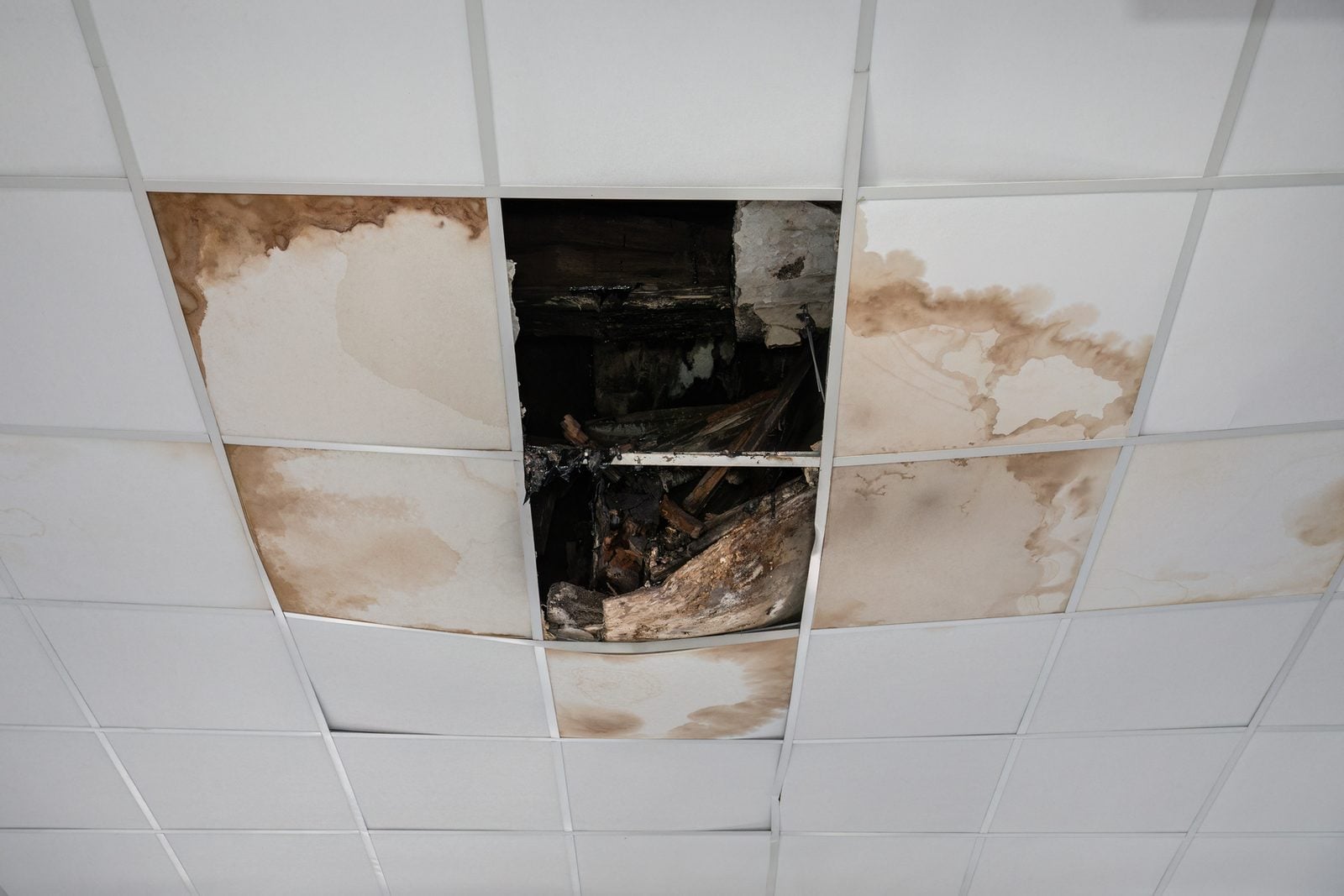
- Arizona DIFI says non-flood water damage and mold remediation may be covered if they result from a sudden or accidental event; your policy spells out the details.
- DIFI advises photographing the damage before any mitigation or contractor work begins.
- DIFI advises calling your insurer or adjuster before a contractor, and verifying coverage with the adjuster.
- FEMA says most homeowners insurance policies do not cover flood damage.
- The EPA says to dry water-damaged areas and items within 24-48 hours to prevent mold growth.
Should I file a home insurance claim for water damage?
You should seriously consider filing a home insurance claim for water damage in Tucson when the water came from a sudden event, such as a burst supply line or a failed water heater, and the damage reaches beyond what you can dry and repair on your own. A small, slow drip under one sink is a different decision.
Every policy is different. Many policies treat sudden damage differently from gradual leaks, so check your policy and document everything before you decide. The Arizona Department of Insurance and Financial Institutions (DIFI) says water damage not caused by a flood may be covered by homeowners or renters insurance if it results from a sudden or accidental event, and that your policy spells out what is and is not covered.
What should I do before I decide whether to file?
Before you decide anything, stop the water, take photos and video, and keep every receipt. Those steps protect you whether you file a claim or not, and they do not lock you into a choice.
- Stop the source. Close the fixture valve or the main shut-off.
- Document first. DIFI advises taking pictures of the damage before any water mitigation, plumbers or restoration contractors show up.
- Keep damaged items until your insurer says you can discard them.
- Read your policy. Look for the water damage section, any exclusions, and your deductible.
Drying should not wait for a final decision. The EPA says it is important to dry water-damaged areas and items within 24-48 hours to prevent mold growth, and most policies expect you to take reasonable steps to limit further damage.
Does the cause of the water change whether a claim makes sense?
Yes. The cause is usually the biggest factor in whether a water damage claim is worth filing, because policies often treat a sudden break very differently from a slow leak, wear and tear, or outside floodwater.
- Sudden and accidental: a burst pipe, a split washer hose or a failed water heater. These are the cases where a claim is most often worth discussing with your insurer.
- Slow or repeated leaks: a drip under a sink for months or a roof spot that leaks every storm. Policies often handle these differently.
- Floodwater from outside: FEMA says most homeowners insurance policies do not cover flood damage. Storm water that runs in from outside usually falls under separate flood insurance.
Not sure which fits? Call to be connected with a local provider who can trace where the water came from.
Need help now? Call to be connected with a local provider in Tucson who can check availability for your address.
How do I tell if the damage is too small to claim?
Damage may be too small to claim when it is limited to one surface, dries quickly, and you can see the full extent of it. The trouble is that water damage is often larger than it looks, so measure before you decide it is minor.
Water travels under baseboards, into wall cavities and into carpet pad. Moisture meters show what your eyes cannot. Ask yourself:
- Did water reach more than one room, or pass through a wall or floor?
- Is drywall soft, swollen or stained above the baseboard?
- Did the water sit for more than a day before you found it?
If you answer yes to any of these, the true scope may be larger than you think. Get the damage measured first, then compare the likely repair scope against your deductible.
How does my deductible factor into the decision?
Your deductible is the part of a covered loss you pay yourself, so a claim generally only makes financial sense when the covered repair scope is clearly larger than that amount. If the work is close to or below your deductible, many homeowners pay for it directly.
Check your declarations page for the deductible that applies. Then think about what drives the size of the job:
- How many rooms and materials got wet
- Whether the water was clean, gray or contaminated
- How long the materials stayed wet before drying started
- Whether drywall, flooring, cabinets or insulation must be removed
- Whether mold has started and needs remediation
A written scope from a local provider gives you something concrete to hold up against your deductible. It is your right to get more than one quote, as DIFI notes.
Will filing a claim affect my homeowners insurance later?
Filing a claim can affect your policy later, because insurers often look at claim history when they renew or price a policy. How much it matters depends on your insurer, your history and the type of claim.
Many people ask their agent general questions before they formally file, such as what documentation they want and whether an adjuster will inspect. Still, do not delay drying. Unchecked moisture can turn a contained loss into a larger one.
Is mold covered by homeowners insurance after water damage?
Mold may be covered by homeowners insurance in some cases, but it depends on your policy and on what caused the moisture. DIFI says water damage and mold remediation not caused by a flood may be covered if they result from a sudden or accidental event.
Mold that grows from a long-term leak, ongoing humidity or a problem that was not addressed may be treated differently, and many policies have specific mold limits or exclusions. Check your policy wording and ask your adjuster directly. On the practical side, the Arizona Department of Health Services (ADHS) says it is critical to remove the source of moisture first, because mold will return if the area becomes wet again. ADHS also does not recommend mold testing as the first step, and says that if you can see or smell mold, you have a problem. For larger areas, see mold remediation after water damage.
Should I call my insurance company or a restoration company first?
DIFI advises calling your insurance company or adjuster before calling a contractor, and verifying coverage with the adjuster rather than taking the contractor's word for what is covered. Take your photos first, then make that call.
That does not mean the home has to sit wet while you wait. Ask your insurer what emergency steps they want you to take, such as water extraction and drying, and how they want those steps documented. Only your insurer can tell you what your policy pays for. For the paperwork side, read water damage insurance claim basics.
What happens during the visit?
When you call, you are connected with a local water damage provider. The visit follows a simple order, and nothing should start until you understand it and agree.
- Inspection: the provider finds the source, checks walls, floors and ceilings with moisture meters, and notes which materials are wet and how far the water spread.
- Options explained: you hear what can be dried in place, what may need to come out, and whether the water looks clean or contaminated. This is the information you need to decide whether to file a claim.
- Written quote: you get the scope in writing before work begins, which you can share with your insurer or adjuster.
DIFI warns homeowners to avoid high-pressure sales and people going door to door offering services that were not requested, so take your time and ask questions. To learn how drying works, see structural drying and dehumidification.
What makes water damage claims different in Tucson?
Tucson's water damage comes from a mix of storm water and indoor plumbing, and the cause matters for any claim. NWS offices in the Southwest define the monsoon as June 15 through September 30, and NWS says Tucson averages 5.69 inches of precipitation during the monsoon. NWS also says flash floods are common in Arizona. When storm water runs in from outside, remember that FEMA says most homeowners insurance policies do not cover flood damage, and that there is typically a 30-day waiting period before a National Flood Insurance Program policy goes into effect, with some exceptions.
Indoor sources are common too. Tucson Water says hard water causes calcium deposits to build up in evaporative coolers and water heaters, and University of Arizona Cooperative Extension recommends inspecting and maintaining swamp coolers monthly. Winter brings a smaller risk: Tucson averages 12 days a year with lows of 32°F or colder. Homes in Sahuarita, Oro Valley, Marana, Vail and Midtown Tucson see all of these causes. Call to be connected with a local provider who can document the source.
Related pages
Questions people ask
Should I file a home insurance claim for water damage or just pay for it myself?
File when the damage is sudden and the repair scope is clearly larger than your deductible; pay yourself when it is small and fully visible. Get the damage measured first, because hidden moisture often makes a job larger than it looks.
Does homeowners insurance cover water damage from a burst pipe in Arizona?
It may, because DIFI says water damage not caused by a flood may be covered if it results from a sudden or accidental event. Your policy spells out what is and is not covered, so read it and ask your adjuster.
Does homeowners insurance cover a slow leak that I didn't notice for months?
Many policies treat gradual leaks differently from sudden damage, so it may not be handled the same way. Read the water damage section of your policy and document everything you find.
Is mold covered in homeowners insurance after a leak?
Sometimes, depending on your policy and what caused the moisture. DIFI says mold remediation not caused by a flood may be covered if it results from a sudden or accidental event, and many policies set specific mold limits.
Does my homeowners policy cover flooding from a monsoon storm in Tucson?
Usually not, because FEMA says most homeowners insurance policies do not cover flood damage. Outside floodwater is generally a flood insurance matter, so check whether you have a separate flood policy.
Can I buy flood insurance right after a storm and use it for the damage?
Generally no. FEMA says there is typically a 30-day waiting period from the date of purchase before an NFIP flood policy goes into effect, with some exceptions.
Should I call my insurance company before I call a water damage company?
DIFI advises calling your insurance company or adjuster before calling a contractor. Take photos first, then ask your insurer what emergency drying steps they want you to take.
What pictures should I take before filing a water damage claim?
Take wide shots of each room, close-ups of the source, the water line on walls, wet flooring and damaged items. DIFI advises taking pictures before any mitigation, plumbers or restoration contractors show up.
Can I start drying my house before the insurance adjuster comes out?
Ask your insurer what steps to take and how to document them. The EPA says water-damaged areas should be dried within 24-48 hours to prevent mold growth.
Will filing a water damage claim raise my insurance premium?
It can, because insurers often consider claim history at renewal. How much it matters depends on your insurer and your history, so ask your agent general questions before you file.
Does homeowners insurance cover a leaking swamp cooler?
It depends on whether the leak was sudden or ongoing and on your policy wording. A cooler that overflows suddenly may be handled differently from one that has dripped for weeks, so document the source.
What should I write down during water damage cleanup for my claim?
Keep a log of times, dates, technician names and equipment used, as DIFI suggests. Note dehumidifiers, air movers and moisture detectors, plus every call with your insurer.
Can a restoration company tell me what my insurance will cover?
No, only your insurer can confirm coverage. DIFI advises verifying coverage with the adjuster rather than taking a contractor's word for what is covered.
What should renters in Tucson do after water damage?
Tell your landlord right away and check your renters policy for your belongings. DIFI advises renters to check with their landlord before any repair work begins.
Who do I call to have water damage inspected in Tucson before I file a claim?
Call the number on this page to be connected with a local water damage provider in Tucson. They can inspect, explain your options and give you a written quote to share with your insurer.
Talk to someone about your water damage problem
Call to be connected with a local provider who can check availability for your address and explain the next step.